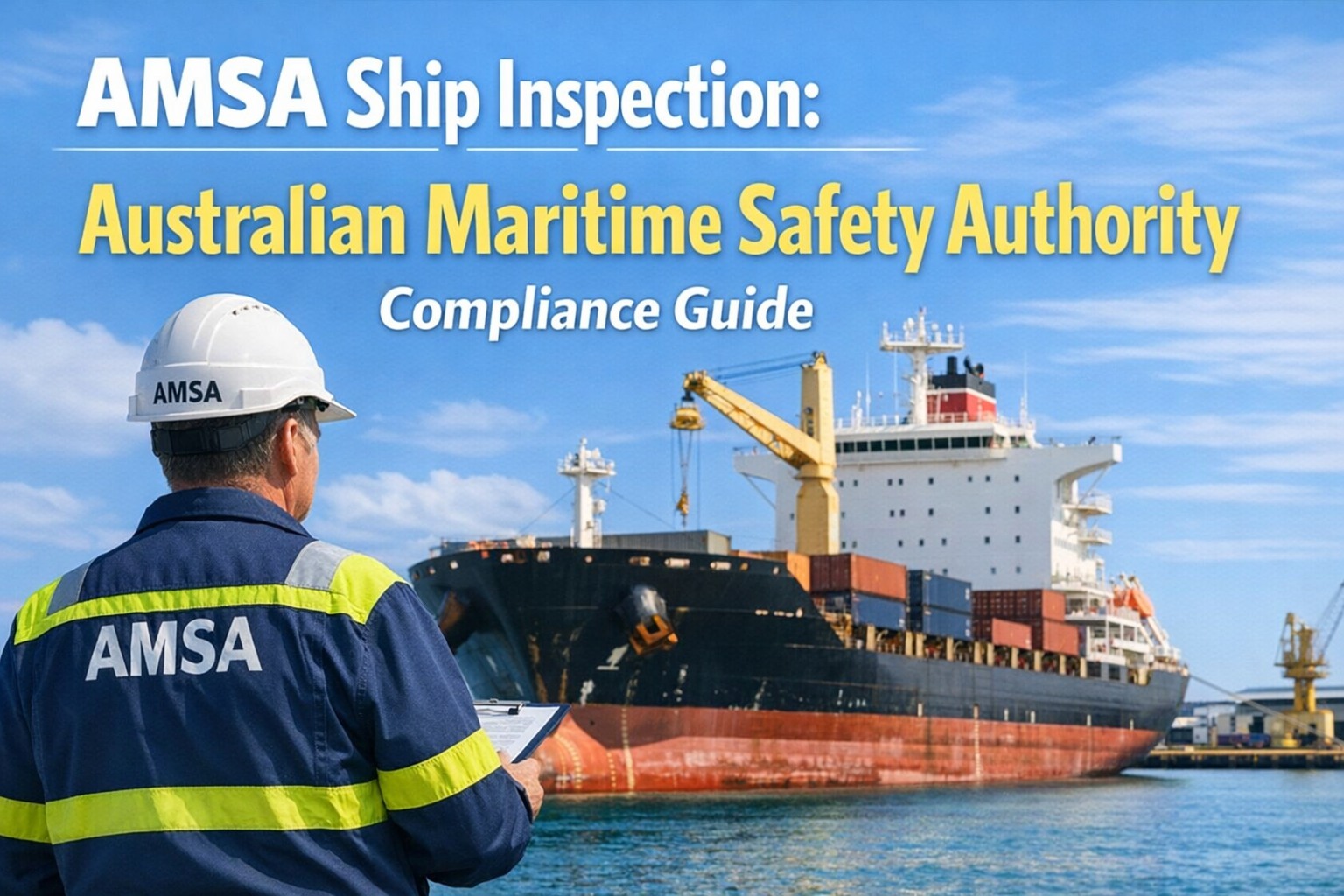
Greece's yacht marina operators managing 900+ registered marinas across the Aegean, Ionian, and Mediterranean coastlines face one of Europe's most demanding maritime compliance landscapes in 2026. Greek-flagged and foreign-flagged yachts calling at Hellenic ports must satisfy overlapping Hellenic Coast Guard (HCG) inspections, SOLAS safety equipment standards, MARPOL environmental protocols, and EU Blue Flag marina certifications—while handling seasonal traffic surges that bring 35,000+ yacht arrivals annually. Marina operators and yacht owners achieving zero-deficiency inspections implement digital compliance platforms—start your free trial that centralize certificate tracking, automate safety checklists, and keep documentation inspection-ready across every berth and vessel.
Greece Yacht Marina Safety & Compliance 2026
Key figures every marina operator and yacht owner must know
Registered Marinas
900+
Across Aegean, Ionian & Med coastlines
Annual Yacht Arrivals
35,000+
Requiring HCG inspection readiness
Compliance Frameworks
5 Major
HCG, SOLAS, MARPOL, EU Blue Flag, PSC
Admin Time Saved
65–75%
Via digital compliance automation
Greece Yacht Compliance: The 2026 Regulatory Landscape
Operating a yacht or marina in Greece means navigating five distinct compliance frameworks simultaneously. The Hellenic Coast Guard conducts unannounced safety inspections under Greek Presidential Decree 103/1999 and Ministerial Decision 3332.1, while Port State Control officers apply Paris MOU standards to foreign-flagged yachts. EU Blue Flag marinas carry additional environmental obligations, and MARPOL Annex IV–VI requirements apply to vessels over 400 GT and all passenger craft. Operators who schedule a compliance platform demo gain visibility across every requirement from one unified dashboard—eliminating the risk of last-minute scrambles before an HCG boarding.
Annual safety equipment surveys, navigation light certification, fire detection systems, emergency signalling devices, life raft servicing schedules
MARPOL
Mediterranean Environmental Compliance
MARPOL Special Area restrictions in Aegean/Mediterranean, oil record books, garbage management plans, sewage holding tank certification, fuel sulphur compliance
Greek marina compliance is uniquely challenging because 70% of annual yacht traffic arrives in a 14-week window (June–September). A certificate expiring mid-season, or a safety deficiency flagged during peak HCG inspection activity, doesn't just create paperwork—it grounds a vessel during the most commercially critical period. Digital platforms that automate 90-day expiry warnings—sign up free give operators the runway to renew certificates and schedule equipment servicing before the high season begins.
Greek Yacht Season: Compliance Risk Timeline
JAN–MAR
Pre-Season Preparation
Certificate renewal window · Annual safety equipment surveys · Life raft re-certification · HCG documentation updates · Blue Flag re-application deadline
APR–MAY
Pre-Launch Inspection Period
HCG pre-season inspection surge · Crew certification verification · Equipment condition checks · MARPOL record book audits · Final compliance sign-off
JUN–SEP
Peak Season — Maximum Inspection Risk
70% of annual arrivals · Highest HCG boarding frequency · Zero tolerance for documentation gaps · PSC spot-checks on foreign flagged · Immediate deficiency consequences
OCT–DEC
Post-Season Compliance Review
Deficiency corrective actions · Maintenance backlog clearance · Next-year certificate planning · Environmental compliance reporting · Blue Flag audit preparation
Certificate Management: The Hidden Compliance Risk for Greek Marinas
A typical charter yacht operating from a Greek marina maintains 30–50 certificates covering SOLAS equipment, MARPOL systems, crew qualifications, hull classification, and radio licensing—each with separate expiry dates and issuing authorities. When managed manually, the industry average 8–12% annual certificate expiration rate means almost every vessel will face at least one compliance gap per season. Operators implementing digital certificate tracking—start free trial report zero expiration incidents and 70% reduction in pre-inspection preparation time.
Typical Greek Yacht Certificate Portfolio
Safety Equipment
Life Raft ServiceEPIRB RegistrationFire Extinguisher TestFlare ExpiryLifejacket Inspection
Vessel Documents
Greek Flag CertificateClass SurveyTonnage CertificateRadio LicenseInsurance Certificate
Environmental
Oil Record BookMARPOL Annex IV CertBallast Water CertGarbage Management PlanBunker Delivery Notes
Crew Certification
Master's LicenseSTCW CertificatesMedical FitnessVHF Radio LicenceFirst Aid Certificate
Industry average: 8–12% of certificates expire unnoticed annually — digital platforms reduce this to zero
MARPOL Mediterranean Special Area: Environmental Rules That Catch Yacht Owners Off-Guard
The Mediterranean Sea is designated a MARPOL Special Area under Annexes I, II, and V—meaning stricter discharge prohibitions apply compared to open ocean sailing. Within Greek waters, zero-discharge rules for oil-contaminated bilge water apply within 12 nautical miles, sewage discharge restrictions apply to vessels with holding tanks, and plastic waste disposal is prohibited entirely. HCG officers specifically examine oil record books and garbage management plans during boarding inspections, and inconsistencies result in immediate deficiency notices. Yacht operators using Marine Inspection's MARPOL compliance module maintain accurate digital record books and receive automated reminders for sewage pump-out requirements at Blue Flag marinas.
MARPOL Special Area Rules — Greek & Mediterranean Waters
Prohibited in Greek Waters
Oil bilge discharge within 12nm
Any plastic waste disposal at sea
Untreated sewage near coast
Food waste within 3nm (non-comminuted)
Required Documentation
Oil Record Book (Part I) — updated daily
Garbage Management Plan onboard
Garbage Record Book entries
Sewage holding tank log
Non-Compliance Consequences
HCG detention & port entry ban
Fines up to €30,000 per violation
Criminal prosecution for crew
Blue Flag marina de-listing risk
Stay Ahead of Greek Maritime Compliance
Marine Inspection automates HCG inspection readiness, MARPOL record-keeping, certificate expiry tracking, and Blue Flag documentation—purpose-built for Greek marina operators and yacht owners.
HCG Inspection Readiness: What Officers Check First
Hellenic Coast Guard boarding officers follow a structured inspection protocol covering six primary areas. Vessels with digital compliance management systems pass these inspections faster because documentation is immediately accessible, equipment maintenance records are current, and certificate status is verified before the officer boards. Greek charter operators using Marine Inspection's HCG readiness module report 65% fewer deficiency notices and zero detentions since implementation.
HCG Boarding Inspection: Priority Checklist
01
Vessel Registration & Flag Documents
Greek registration certificate, flag state authorisation, tonnage measurement certificate, ship's radio licence
02
Safety Equipment Condition
Life raft service dates, EPIRB registration & battery expiry, flare expiry dates, lifejacket condition & count, fire extinguisher test dates
Oil Record Book completeness, Garbage Record Book entries, sewage holding tank documentation, bunker delivery notes
05
Navigation & Communication Equipment
Chart correction currency, AIS operation, VHF radio function, GPS accuracy, radar test records
06
Emergency Procedures Documentation
Muster list posted, emergency drill records, fire & flooding emergency plan, passenger emergency briefing log
Nikos Papadimitriou
Marina Director, Aegean Charter Operations, Greece
"We manage 18 charter yachts across three Aegean marinas and the compliance workload used to consume two full staff days every week—manually checking certificate binders, updating spreadsheets, and preparing for HCG inspections that could happen any morning. Since implementing digital compliance management, our pre-inspection preparation dropped from two days to under an hour. Certificate expirations get flagged 90 days ahead, MARPOL record books stay current automatically, and when the Coast Guard boards, everything is on a tablet in seconds. We haven't received a single deficiency notice in 20 months."
Blue Flag Marina Compliance: Greece's Competitive Advantage at Stake
Greece holds more Blue Flag beaches and marinas than any other Mediterranean country—a designation that directly drives premium charter bookings and berthing fees. Maintaining Blue Flag status requires annual documentation submissions covering water quality test results, waste management records, environmental education logs, safety equipment inspections, and services compliance. Marinas failing re-certification lose not only the flag but also their positioning on international charter booking platforms. Digital platforms connecting environmental monitoring data directly to Blue Flag reporting templates eliminate the annual documentation scramble that causes preventable de-listings.
Blue Flag Marina Re-Certification Requirements
Water Quality
Regular water quality testing records, no industrial discharge evidence, bathing water compliance logs
Waste Management
Waste segregation facilities, oil & chemical waste disposal records, recycling program documentation
Safety & Services
First aid facilities, emergency action plan, qualified lifeguard records, fire-fighting equipment inspections
Environmental Education
Environmental information displays, education program logs, non-motorised vessel access records
Manual vs Digital Compliance Management: The Real Cost Comparison
Compliance Approach Comparison for Greek Marina Operators
Blue Flag re-certification requires weeks of data gathering
Crew certification gaps discovered during boarding
8–12% annual certificate expiration rate · Detention risk every peak season
Digital Compliance Platform
Automated 90-day, 60-day, 30-day expiry warnings
HCG inspection prep completed in under 1 hour
MARPOL records auto-updated with voyage data
Blue Flag reports generated from live compliance data
Crew certification dashboard with renewal alerts
Zero certificate expirations reported · 65% fewer HCG deficiency notices
Built for Greek Marina & Yacht Compliance in 2026
Marine Inspection gives Greek marina operators and yacht owners a single platform for HCG readiness, MARPOL record-keeping, Blue Flag documentation, and certificate management. Join 280+ maritime operators who've eliminated compliance gaps.
Conclusion: Greece's Yachting Reputation Depends on Compliance Excellence
Greece's position as Europe's premier yacht destination—hard-won through decades of maritime culture, infrastructure investment, and environmental stewardship—requires every marina operator and yacht owner to treat compliance not as a burden but as a competitive asset. As HCG inspection frequency increases through 2026, MARPOL Mediterranean Special Area rules tighten, and Blue Flag criteria evolve, operators relying on paper binders and spreadsheets will face growing risk of the deficiency notices, detentions, and de-listings that cost them bookings. Greek maritime operators ready to modernize compliance management—book a demo can leverage Marine Inspection's platform purpose-built for the HCG, SOLAS, MARPOL, and Blue Flag requirements Greek marinas face every sailing season.
Frequently Asked Questions
What certificates does the Hellenic Coast Guard check during a yacht inspection in Greece?
HCG officers primarily verify vessel registration documents, safety equipment certificates (life raft service, EPIRB registration, flare expiry dates), crew qualifications (master's licence, STCW certificates, medical fitness), MARPOL record books (Oil Record Book, Garbage Record Book), navigation and communication equipment certification, and emergency procedure documentation. Digital compliance platforms keep all these documents immediately accessible, reducing inspection time and eliminating the risk of missing documentation.
How do MARPOL Special Area rules apply to yachts in Greek waters?
The Mediterranean, including Greek territorial waters, is a MARPOL Special Area under Annexes I, II, and V. This means stricter discharge prohibitions apply: oil-contaminated bilge water discharge is prohibited within 12 nautical miles, plastic waste disposal is completely prohibited, sewage discharge restrictions apply to vessels with holding tanks, and food waste must be comminuted before disposal within 3 nautical miles. Yachts must maintain accurate Oil Record Books, Garbage Management Plans, and sewage holding tank logs, all of which are examined during HCG boardings.
What are the consequences of a deficiency notice or detention by the Greek Coast Guard?
HCG deficiency notices range from requiring corrective action before departure (grounds the vessel) to full detention pending rectification. Detention costs €40,000–€110,000 per day in lost charter revenue and additional port fees. Environmental violations under MARPOL can result in fines up to €30,000 per incident and potential criminal prosecution of the master. Repeated deficiencies also result in Paris MOU targeting, meaning the vessel faces more frequent PSC inspections at every port of call across Europe.
How does digital compliance software help Greek marina operators maintain Blue Flag certification?
Blue Flag re-certification requires annual submission of water quality test results, waste management records, safety equipment inspection logs, and environmental education documentation. Digital platforms connect ongoing compliance data directly to Blue Flag reporting templates, so marina operators generate their annual submission from live records rather than manually compiling data from multiple sources. This eliminates the documentation gaps that cause preventable de-listings and reduces re-certification preparation time by 60–70%.
Can foreign-flagged yachts visiting Greece use the same compliance platform?
Yes. Marine Inspection supports both Greek-flagged and foreign-flagged vessels, managing flag state certificate requirements alongside Greek HCG documentation obligations and Paris MOU Port State Control requirements. Foreign yacht owners can configure the platform for their flag state's specific certificates while also maintaining the MARPOL record books, crew certification records, and safety equipment logs that Greek HCG officers examine during boardings. This is particularly valuable for EU-flagged yachts spending extended seasons in Greek waters.