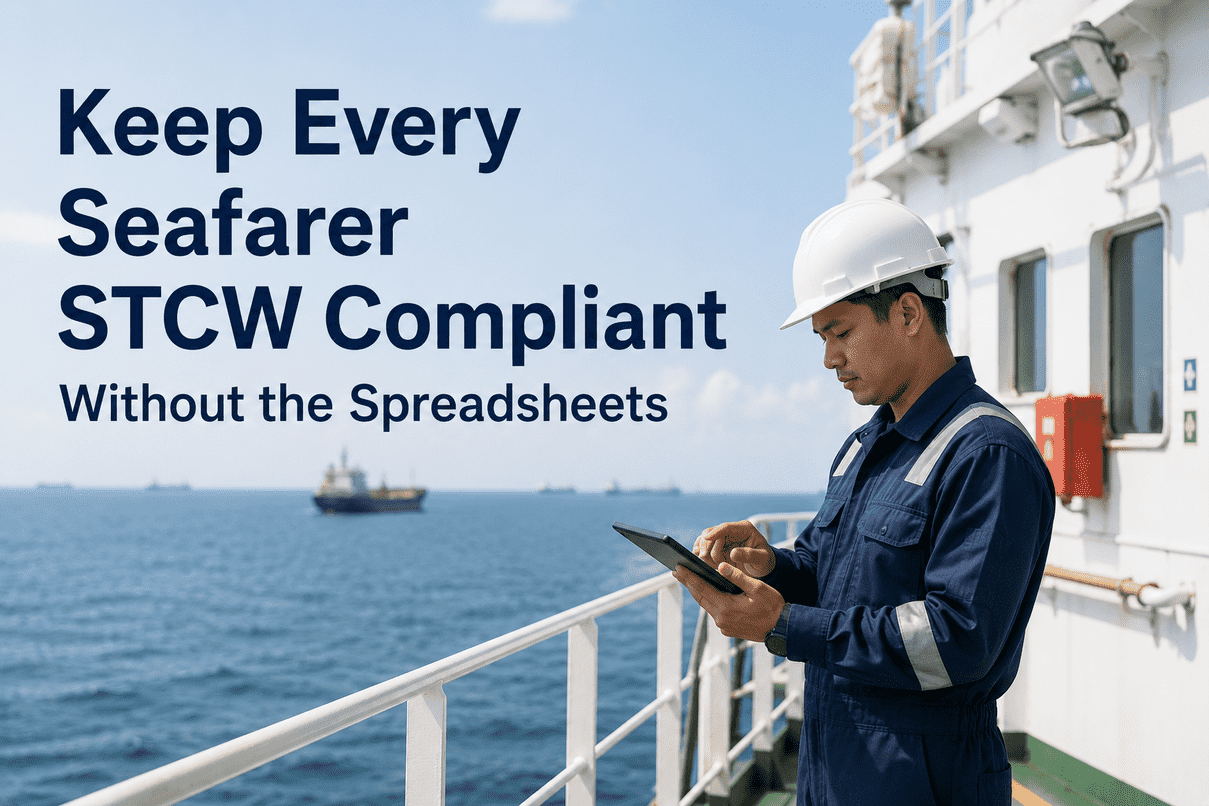
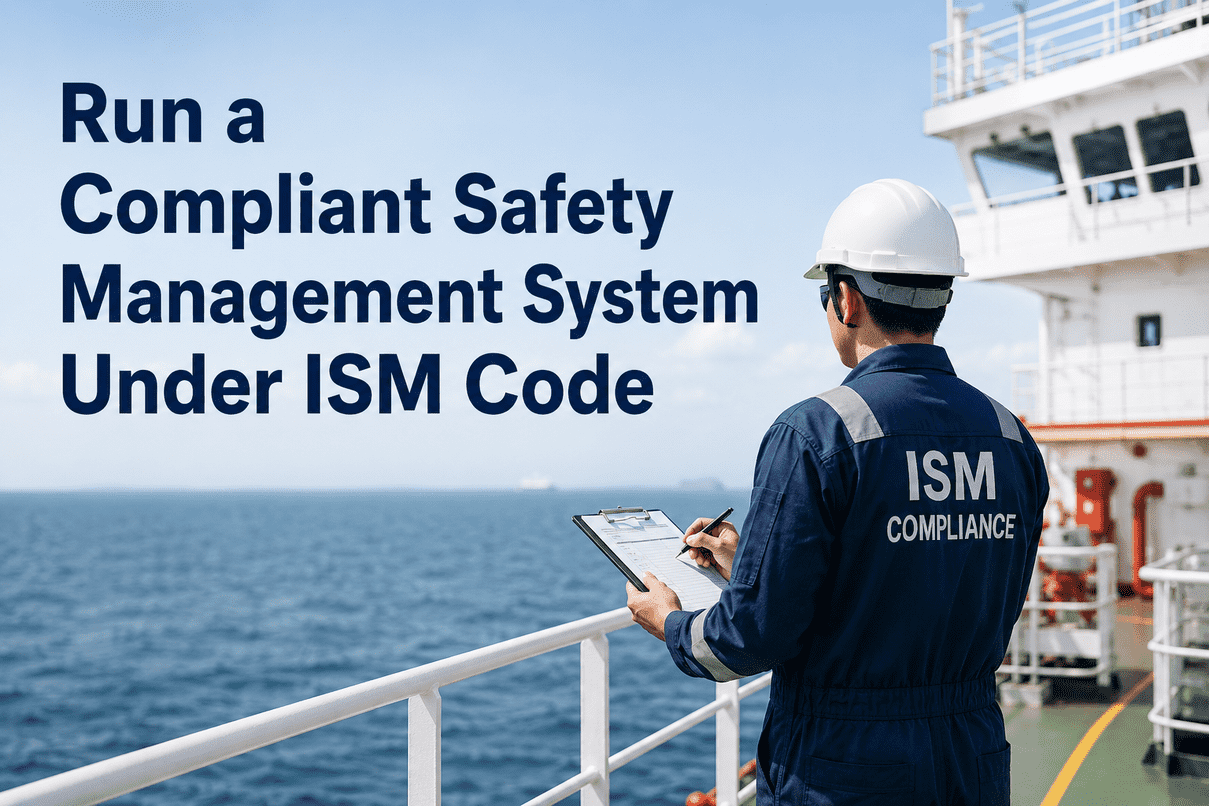
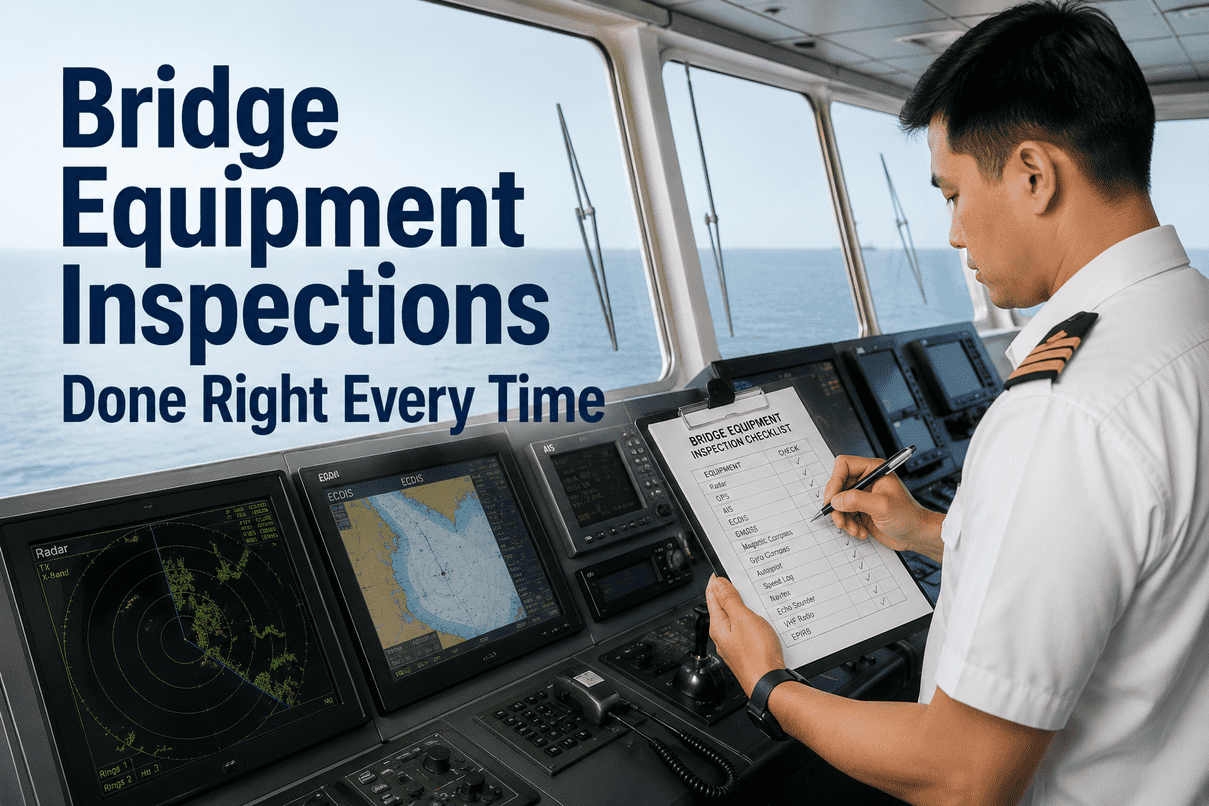
Norwegian maritime crew training and safety standards combine stringent STCW (Standards of Training, Certification and Watchkeeping) requirements with enhanced Norwegian Maritime Authority regulations. Norwegian-flagged vessels must maintain comprehensive crew certification records, conduct mandatory safety drills every 30 days, and ensure continuous competency development. With Norway marine crew training & safety standards evolving rapidly and non-compliance resulting in detention, fines up to $500K, and potential criminal liability, understanding Norway vessel compliance is critical. This comprehensive guide provides practical Norway maritime crew training & safety standards tips, certification roadmaps, and digital solutions helping operators maintain fully compliant, well-trained crews while reducing administrative burden by 50%.
Crew Training & Safety Standards – Norway Edition
Master STCW requirements, Norwegian Maritime Authority standards, and safety management with comprehensive training compliance
Crew Training & Safety at a Glance
Understanding Crew Compliance in Norway
Norwegian crew compliance requirements combine international STCW standards with stricter national regulations enforced by the Norwegian Maritime Authority. Here's what operators must implement.
STCW 2010 (Manila Amendments)
Core Requirements: All seafarers serving on vessels engaged in international voyages must hold valid STCW certificates of competency and certificates of proficiency issued or recognized by flag state administrations meeting Manila Amendment standards.
Key STCW Compliance Areas:
- Deck Officers: STCW II/1, II/2, II/3
- Engineer Officers: STCW III/1, III/2, III/3
- Electro-Technical Officers: STCW III/6
- Ratings: STCW II/4, II/5, III/4, III/5
- Revalidation every 5 years with approved seagoing service or refresher training
- Basic Safety Training (Personal Survival, Fire Prevention, First Aid, Personal Safety)
- Advanced Fire Fighting
- Proficiency in Survival Craft
- Medical First Aid / Medical Care
- Ship Security Officer (SSO)
- Security Awareness Training
- Tanker operations (oil, chemical, gas)
- Passenger ship operations
- Polar waters operations
- Dynamic positioning
- ECDIS (Electronic Chart Display)
- GMDSS (Radio) operators
Manila Amendment Focus: Enhanced requirements for training, assessment, and certification. Mandatory rest hours compliance (minimum 10 hours in 24-hour period). Fitness requirements including medical certificates. Digital crew management systems automate certification tracking and expiry alerts ensuring no crew member sails with expired certificates.
Norwegian Maritime Authority Standards
Additional Norwegian Requirements: Norwegian Maritime Authority (Sjøfartsdirektoratet) enforces standards beyond minimum STCW through regulations, circulars, and inspection practices.
Norway-Specific Compliance:
- Language Proficiency: Bridge officers must demonstrate English language proficiency through approved testing. Working language onboard must be understood by all crew members.
- Manning Requirements: Norwegian-flagged vessels must meet minimum safe manning documents. Cannot sail with crew below manning levels even temporarily.
- Rest Hour Compliance: Stricter enforcement of STCW rest hour requirements. Electronic rest hour recording systems increasingly required. Violations result in immediate detention.
- Training Documentation: Complete training records must be maintained onboard and ashore. Norwegian authorities may request training certificates, seagoing service records, and training course completion certificates.
- Medical Fitness: Valid medical certificates (STCW and national) required for all crew. Norwegian doctors must certify Norwegian seafarers. Foreign certificates recognized if meeting STCW standards.
- Safety Management System: ISM Code compliance verified through Document of Compliance (company) and Safety Management Certificate (vessel). Norwegian authorities conduct comprehensive SMS audits including crew training verification.
Mandatory Safety Drills & Training
Drill Requirements: SOLAS (Safety of Life at Sea) Chapter III mandates regular drills ensuring crew familiarity with emergency procedures. Norwegian authorities strictly verify drill records during inspections.
Monthly - Within 24 hours of leaving port if more than 25% crew change. Includes identification of fire, alarm raising, fire hose use, extinguisher operation, emergency duties, communication procedures, breathing apparatus use.
Monthly - Within 24 hours of leaving port if more than 25% crew change. Includes lifeboat/raft launching (one side alternately), donning lifejackets, survival suit donning (if carried), muster procedures, communication checks, emergency equipment familiarization.
Monthly - May be combined with abandon ship drill. Includes alarm procedures, rescue boat launching, recovery procedures, communication protocols.
Quarterly - At least once per 3 months. Includes security threat scenarios, response procedures, communication protocols, restricted area protection.
Documentation Critical: All drills must be logged in Official Log Book or Training and Drills Log with date, time, type, participants, scenarios tested, deficiencies noted, corrective actions. Norwegian PSC inspectors always check drill records. Inadequate drilling is detention-worthy deficiency.
Onboard Training Requirements
Familiarization & Ongoing Training: Beyond initial certification, crew must receive vessel-specific training and continuous competency development throughout employment.
Mandatory Onboard Training:
- Vessel layout, escape routes, alarm systems
- Fire fighting equipment locations and operation
- Life-saving appliance locations and operation
- Emergency procedures and muster stations
- Environmental protection procedures
- Security procedures and restricted areas
- Bridge equipment (ECDIS, radar, ARPA, AIS)
- Engine room machinery and safety systems
- Cargo equipment operation and safety
- Safety equipment (SCBA, fire suits, rescue equipment)
- Communication equipment (GMDSS, internal systems)
- Monthly safety meetings and toolbox talks
- Lessons learned from near misses and incidents
- Regulatory updates and changes
- Equipment updates and new procedures
- Best practice sharing and competency development
Best Practice: Structured onboard training program with documented records. Digital training platforms deliver standardized courses with automatic certification and competency tracking reducing administrative burden and ensuring consistent quality across fleet.
Certification Roadmap by Position
Required certificates vary by crew position and vessel type. Here's what each role needs to sail legally on Norwegian-flagged vessels.
Master (Captain)
Mandatory Certificates:
- Certificate of Competency - Master (STCW II/2) unlimited or appropriate tonnage limit
- Basic Safety Training (Personal Survival, Fire Prevention, First Aid, Personal Safety)
- Advanced Fire Fighting
- Proficiency in Survival Craft and Rescue Boats
- Medical First Aid or Medical Care (depending on vessel type)
- Ship Security Officer (SSO) if designated
- GMDSS General Operator Certificate
- ECDIS training certificate
- Valid medical certificate
Additional (Vessel-Specific):
- Tanker endorsement (oil, chemical, gas) if applicable
- Passenger ship endorsement if applicable
- Polar waters operations if trading Arctic
- Dynamic positioning if DP vessel
Chief Officer
Mandatory Certificates:
- Certificate of Competency - Chief Mate (STCW II/2)
- Basic Safety Training
- Advanced Fire Fighting
- Proficiency in Survival Craft and Rescue Boats
- Medical First Aid
- ECDIS training certificate
- Valid medical certificate
Additional (Vessel-Specific):
- Cargo securing for cargo ships
- Tanker endorsement if applicable
- Passenger ship operations if applicable
Officer of the Watch (OOW)
Mandatory Certificates:
- Certificate of Competency - OOW (STCW II/1) unlimited or <500GT
- Basic Safety Training
- Proficiency in Survival Craft and Rescue Boats
- Medical First Aid
- ECDIS training certificate
- Valid medical certificate
Chief Engineer
Mandatory Certificates:
- Certificate of Competency - Chief Engineer (STCW III/2)
- Basic Safety Training
- Advanced Fire Fighting
- Medical First Aid
- Valid medical certificate
Additional (Vessel-Specific):
- Tanker endorsement (oil, chemical, gas) if applicable
- Electro-technical training for modern vessels
Able Seafarer (AB/OS)
Mandatory Certificates:
- Certificate of Proficiency - Able Seafarer Deck (STCW II/5)
- Basic Safety Training
- Proficiency in Survival Craft (may be included in AB certificate)
- Valid medical certificate
Rating (Ordinary Seaman)
Mandatory Certificates:
- Basic Safety Training
- Security Awareness Training
- Valid medical certificate
- Seafarer's Identity Document
Best Practices and Digital Tools for Crew
Practical strategies for managing crew training compliance efficiently while maintaining high safety standards.
Centralized Certificate Management
The Challenge: Tracking dozens of certificates per crew member across 10-30 crew, each with different expiry dates. Missing one expired certificate grounds the vessel.
Effective Certificate Management:
- Digital Certificate Library: Scan and store all certificates in searchable digital library. Cloud-based ensures shore and vessel access. Eliminates lost certificate problems.
- Automatic Expiry Tracking: System monitors all certificate expiry dates. Alerts at 90, 60, 30 days before expiry. Prevents expired certificate situations.
- Crew Planning Integration: When scheduling crew changes, system flags upcoming expiries. Allows proactive revalidation before expiry rather than reactive emergency training.
- Verification at Source: Require crew to provide certificates before joining. Verify authenticity through issuing authority websites. Norwegian authorities may verify certificates - ensure legitimacy upfront.
- Manning Level Monitoring: System tracks current crew against safe manning document. Alerts if manning levels drop below requirements due to illness, injury, or crew changes.
ROI: Manual certificate tracking requires 10-15 hours per vessel per month. Digital systems reduce this to 1-2 hours while eliminating 95% of expiry-related issues. For 5-vessel fleet, saves 50-65 hours monthly ($3,000-4,000 labor cost).
Drill Planning & Documentation
The Challenge: Conducting monthly drills on busy vessels, ensuring all crew participate, documenting properly, and meeting SOLAS requirements without disrupting operations.
Systematic Drill Management:
- Annual Drill Calendar: Pre-plan entire year of drills. Rotate scenarios (different fire locations, different emergency situations). Schedule 1-2 days before month end to allow makeup if weather prevents.
- Scenario Variation: Use different scenarios each month. Fire in engine room, accommodation, cargo spaces. Abandon ship from different muster stations. Man overboard port vs starboard. Keeps crew engaged rather than rote repetition.
- Structured Documentation: Use standardized drill report forms. Record date, time, scenario, participants, observations, equipment problems, crew performance issues, corrective actions. Photos/videos valuable for training review.
- Crew Rotation Tracking: Ensure all crew participate regularly. Track individual participation to verify everyone gets practice. Important for newer crew members needing more exposure.
- Lessons Learned: After each drill, conduct brief debrief. What went well? What needs improvement? Document and share fleet-wide. Digital drill management systems streamline scheduling, documentation, and compliance reporting reducing manual paperwork by 75%.
Inspection Focus: Norwegian PSC inspectors ALWAYS check drill records. Inadequate drilling is immediate detention-worthy deficiency. Missing drill logs, poor documentation, or long gaps between drills result in serious consequences.
Onboard Training Program
The Challenge: Providing consistent, high-quality training onboard while crew focuses on operational duties. Balancing training time with work requirements.
Structured Onboard Training:
- Monthly Safety Meetings: 1-hour structured meeting covering safety topic, regulatory update, equipment familiarization, or incident review. Documented with attendance sheet and topics covered.
- Toolbox Talks: 15-minute pre-job safety briefings for specific tasks. Covers hazards, precautions, PPE requirements, emergency procedures. Document who attended and topic covered.
- E-Learning Integration: Online courses available during rest hours or slow periods. Subjects: regulatory updates, equipment familiarization, safety procedures, best practices. Self-paced learning flexible with operational demands.
- Senior Officer Mentoring: Assign junior officers to senior mentors. Structured development plan tracking competency growth. Regular feedback sessions document progress.
- Incident-Based Training: After any near miss or incident (company-wide), conduct training session reviewing what happened, why, and prevention measures. Powerful learning tool.
Crew Buy-In: Training succeeds when crew sees value. Focus on practical skills useful in real situations. Avoid death-by-PowerPoint. Hands-on practice, realistic scenarios, and crew participation increases engagement 300%.
Rest Hour Compliance
The Challenge: Meeting STCW rest hour requirements (minimum 10 hours in 24-hour period, 77 hours in 7-day period) while maintaining vessel operations and responding to emergencies.
Rest Hour Management:
- Electronic Rest Hour Tracking: Manual paper logs unreliable and easily falsified. Electronic systems track actual rest hours with tamper-proof records. Norwegian authorities increasingly expect electronic records.
- Proactive Monitoring: Shore office monitors rest hours in real-time. Alerts when crew member approaching violation. Allows preventive measures before violation occurs.
- Realistic Scheduling: Watch schedules designed for compliance, not just tradition. Consider workload during port operations. Account for overtime work in planning.
- Emergency Protocols: When emergencies disrupt rest hours, document properly. STCW allows exceptions for emergencies but requires documentation of reason, duration, and compensatory rest provision.
- Manning Level Adequacy: If frequent rest hour violations occur, manning may be inadequate. Review safe manning document and consider additional crew rather than risk violations.
Violation Consequences: Rest hour violations result in immediate detention in Norway. Fines up to $50K per violation. Master and company face potential criminal charges for systematic violations. Electronic records make violations easier to detect.
Medical Fitness & Health Management
The Challenge: Ensuring all crew maintain valid medical certificates, managing chronic conditions, handling medical emergencies at sea, and coordinating medical evacuations.
Medical Compliance:
- Medical Certificate Tracking: Monitor medical certificate expiry dates like other certificates. Typically valid 2 years (under 40 years old) or 1 year (over 40). Norwegian seafarers need Norwegian-certified doctor.
- Pre-Employment Medicals: Require current medical certificate before joining. Prevents situation where crew member boards vessel with soon-to-expire medical.
- Chronic Condition Management: Some conditions (diabetes, heart disease) require special consideration. Ensure adequate medication supplies. Clear procedures for emergency situations. Consider fitness for duty when scheduling crew.
- Mental Health Awareness: Growing recognition of mental health importance. Training for officers to recognize depression, anxiety, stress. Confidential reporting channels. Shore support resources available.
- Medical Emergency Preparedness: Medical first aid training for designated crew. Medical chest properly stocked and current. Telemedicine capabilities for remote medical advice. Evacuation procedures coordinated with local authorities.
Trend: Norwegian authorities increasing focus on fatigue management, mental health, and overall crew well-being as safety factors. Expect enhanced requirements in coming years beyond basic medical certificate compliance.
Digital Training Management Systems
The Solution: Comprehensive digital platforms integrate all aspects of crew training and compliance management.
Platform Capabilities:
Digital library, expiry tracking, automatic alerts, verification records, instant access for inspections. Eliminates paper certificate management.
Cost: $5-15 per crew member per month
Online courses, video training, assessments, certification issuance. Library of maritime-specific content. Custom course creation capability.
Cost: $10-25 per crew member per month
Drill scheduling, scenario library, documentation templates, participation tracking, compliance reporting. Automated monthly reminders.
Cost: Typically included with training platform
Electronic work/rest hour recording, automatic violation alerts, compliance reports, inspector-ready documentation.
Cost: $8-20 per crew member per month
Safe manning comparison, qualification tracking, crew planning, license verification, competency matrices.
Cost: Usually included with certificate management
Compliance dashboards, upcoming expiries, training completion rates, drill participation, fleet-wide analytics.
Cost: Usually included in platform subscription
ROI Reality: Comprehensive crew management platform: $20-40 per crew member per month. For 15-person crew: $300-600/month. Saves 40-60 hours monthly administrative time ($2,500-4,000 value). Prevents one expired certificate detention (saving $50K-200K). Payback immediate.
Training Compliance Cost Analysis
Annual Training & Compliance Costs - Per Vessel (15 Crew)
Per Crew Member: $4,700 - $9,700 annually
Percentage of Crew Cost: Approximately 8-12% of total crew wages
Non-Compliance Risk Comparison:
Single inspection detention for crew violations: Vessel detention 3-7 days ($50K-150K revenue loss) + Fines $50K-500K + Emergency training costs $20K-40K + Reputation damage = $120K-700K total
Conclusion: Annual training compliance costs ($71K-146K) are 50-80% cheaper than single major violation. Training investment is insurance against catastrophic penalties and operational disruptions.
Quick Compliance Reference
Common Questions
Simplify Crew Training & Compliance Management
Join operators using digital crew management systems for automated certificate tracking, drill scheduling, training delivery, and compliance reporting