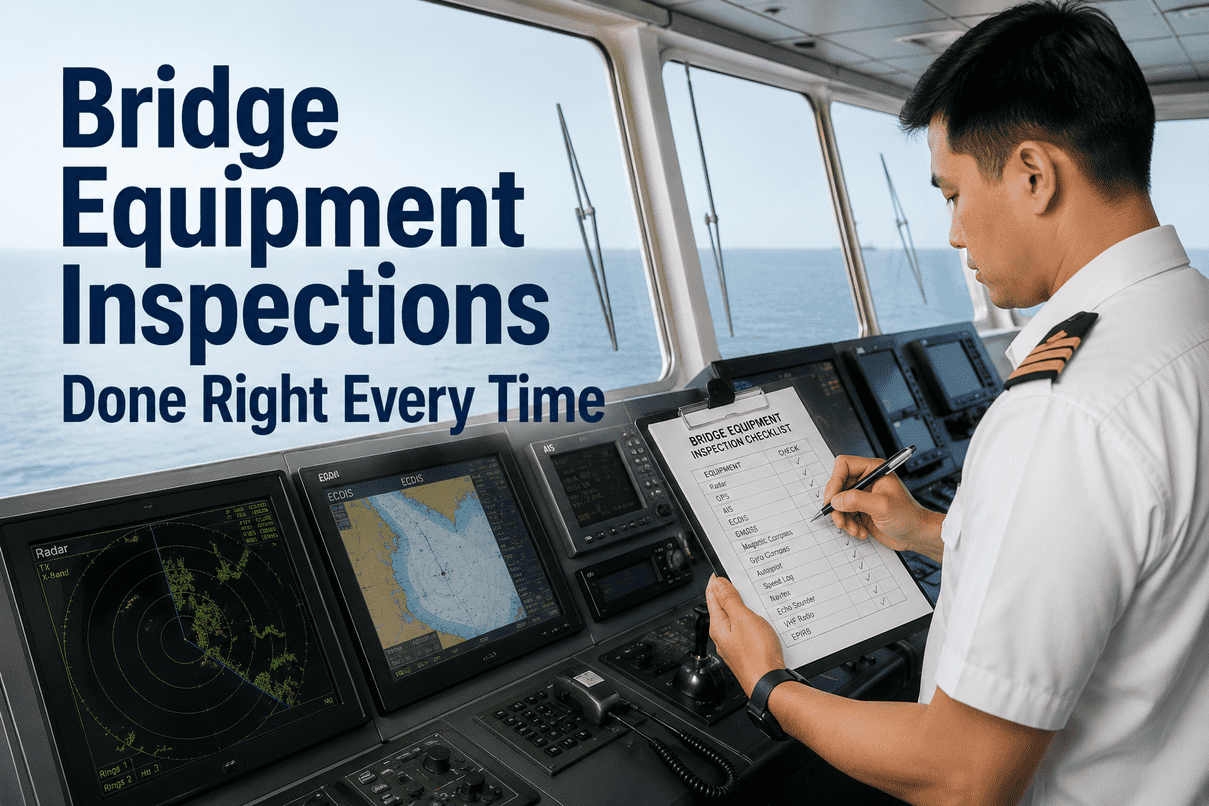
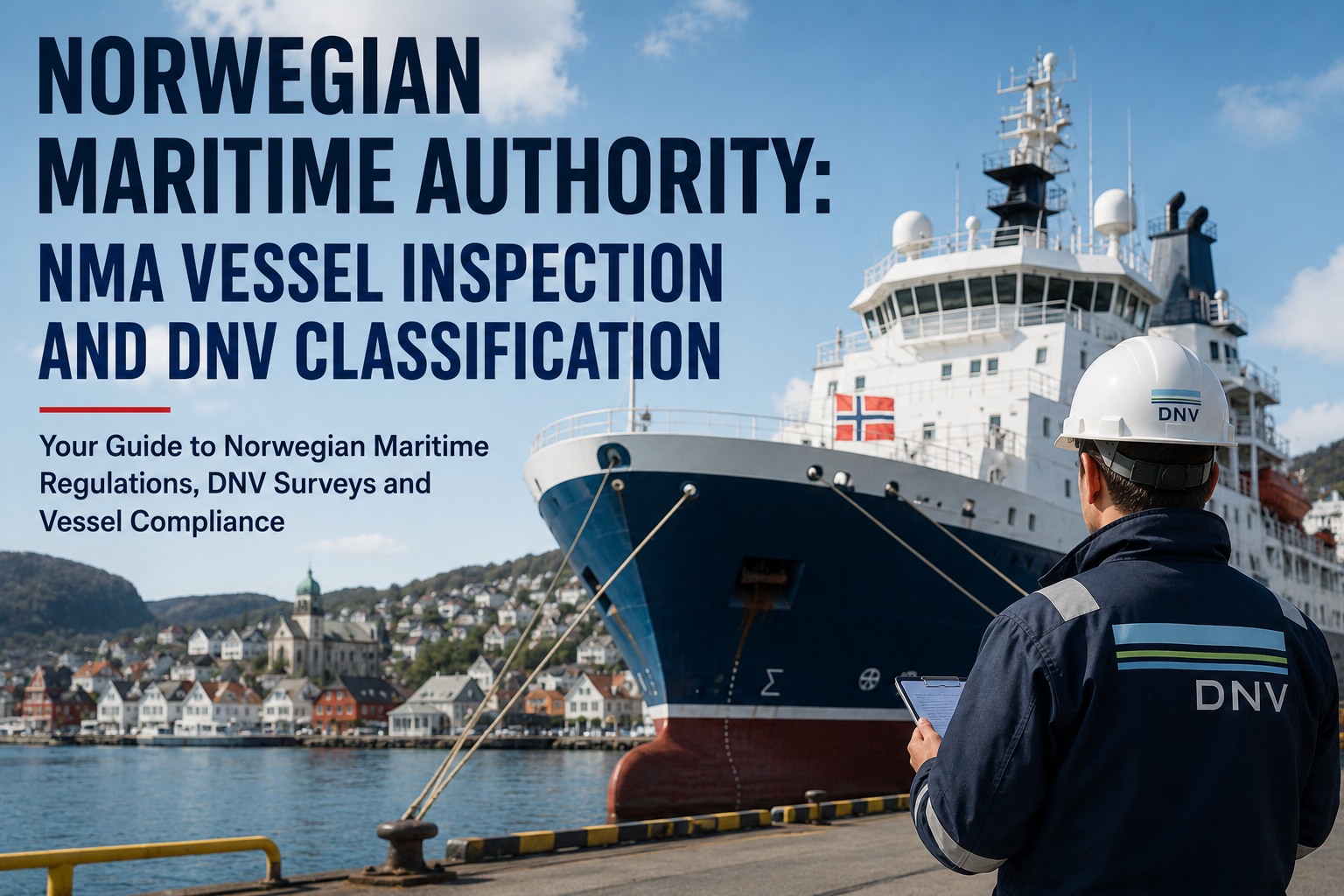
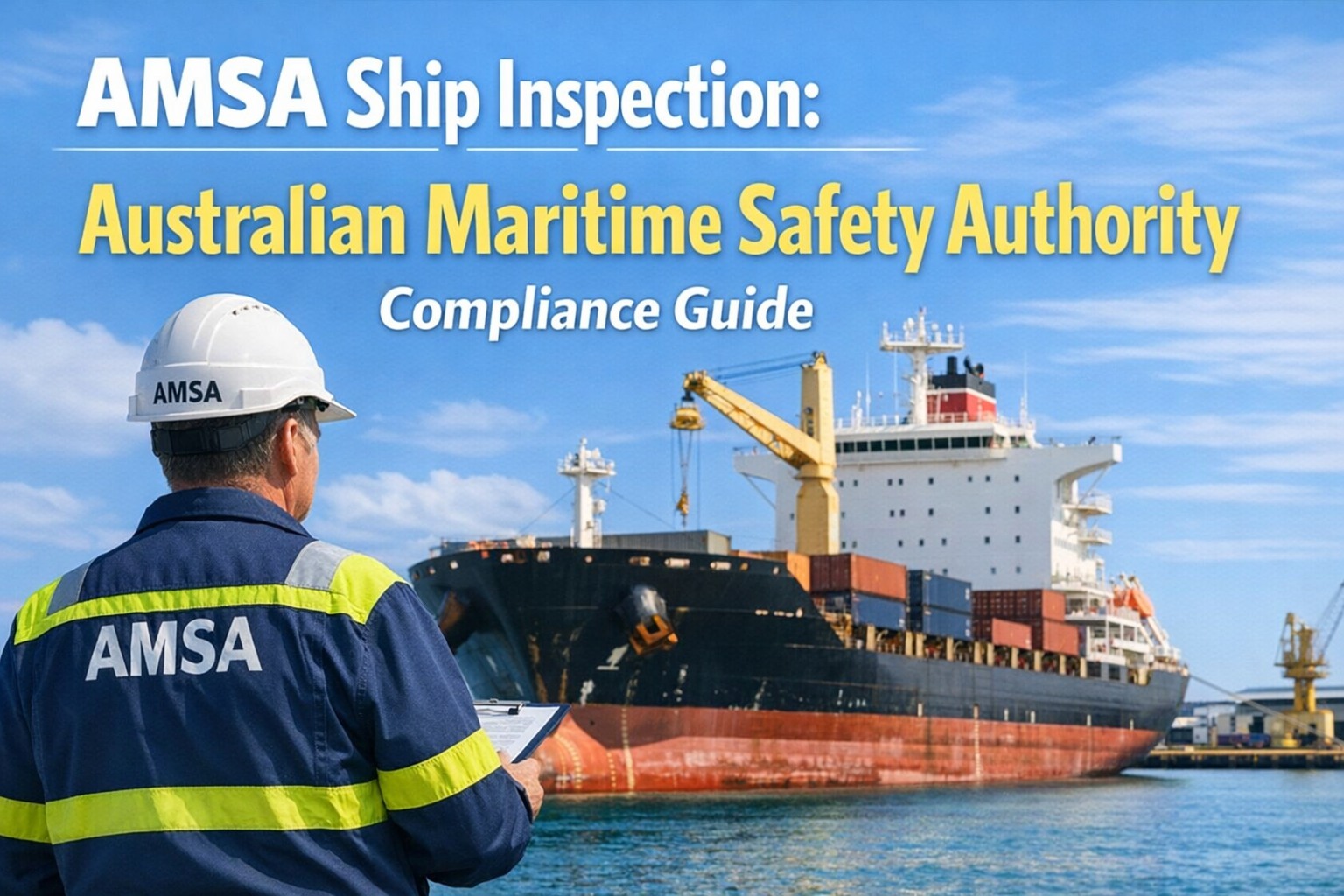
SOLAS Chapter V occupies a unique position in the convention: it applies to all vessels on all voyages, regardless of tonnage or trading area. Every other SOLAS chapter has exceptions, exemptions, or tonnage thresholds. Chapter V does not. Navigation equipment, passage planning, voyage data recording, and the master's overriding authority are universal. Absent navigational charts or non-functional navigation equipment are explicitly detainable by Port State Control. SOLAS Chapter IV extends the principle to GMDSS radio equipment with an even lower threshold of 300 GT for cargo ships, and PSC treats absent or non-functional radio equipment as a detainable deficiency. The 2026 environment adds new dimensions. S-100 compliant ECDIS becomes legal for use from January 1, 2026 with full mandatory compliance by January 1, 2029, replacing the S-57 chart standard with dynamic four-dimensional data integration. SOLAS Chapter IV amendments effective January 1, 2024 apply at first Safety Radio Survey thereafter. The FCC-licensed GMDSS Radio Maintainer annual inspection cannot be performed by the vessel's owner, operator, master, or employee. Navigation equipment inspection software runs SOLAS V and IV aligned digital checklists, automated testing-frequency tracking, type approval reference, and PSC-ready audit pack assembly across every bridge station. Start a free trial of Marine Inspection to verify every navigation system the way SOLAS Chapter V intended.
Navigation Equipment Inspection Software · 2026
Bridge Console Status — Live. Six Stations Verified. SOLAS V Ready.
Bridge-team-first inspection workflow covering ECDIS, radar, AIS, GMDSS, GPS, gyrocompass, VDR, and BNWAS — with type approval tracking, testing frequency enforcement, and PSC-ready evidence packs.
M/V Pacific Star · Bridge Console
28 May · 14:32 UTC
S-63 v4.2
Last test 12h ago
Transmitting
MMSI verified
Test Due
2 days remaining
Recording
Annual cert valid
The Six Bridge Stations Every Navigation Inspection Covers
A credible navigation equipment inspection works the bridge by physical station rather than by equipment list. Each station has its own duty officer, its own watch cycle, and its own SOLAS V or IV obligations. The platform structures inspection by station so the OOW captures what is in front of them rather than hunting across the bridge.
Station 1
Conning Position
Main bridge console with integrated displays. ECDIS primary and backup, central alarm panel, conning information display, rudder angle indicator, propeller pitch, engine telegraph. Master's overriding authority position per ISM and SOLAS V/34.
Station 2
Helm & Steering Stand
Main and auxiliary steering controls, autopilot, rudder angle indicator, course indicator, rate-of-turn indicator, magnetic compass repeater. SOLAS V/26 mandates testing of main and auxiliary steering within 12 hours of departure.
Station 3
Radar Station
X-band radar primary, S-band radar for adverse weather and rain clutter, ARPA target tracking, EBL and VRM functions, north-up versus head-up display modes. SOLAS V/19 mandates dual radar carriage for vessels over 3000 GT.
Station 4
ECDIS & Chart Workstation
ECDIS primary and backup compliant with MSC.232(82) or MSC.530(106), S-63 encrypted ENCs, voyage plan loaded, route monitoring, safety contours configured. S-100 transition roadmap to 2029 for new installations.
Station 5
GMDSS Radio Station
DSC controllers, VHF radios, MF/HF radio, Inmarsat or Iridium satellite terminals, NAVTEX receivers, EPIRB, SART, AIS-SART. Sea Area A1-A4 equipment fit. GMDSS Log Book mandatory with daily, weekly, monthly test entries.
Station 6
Chart Table & VDR
Paper chart backup folio where retained, voyage plan documentation, port information books, Light Lists, Tide Tables, Sailing Directions, Notices to Mariners. VDR per SOLAS V/20 with annual functional test certificate.
The Navigation Equipment Testing Frequency Matrix
The matrix below maps every navigation and GMDSS equipment item to its required testing frequency, responsible duty officer, and the evidence PSC inspectors verify. SOLAS Chapter IV mandates daily, weekly, and monthly GMDSS tests with entries in the GMDSS Log Book. SOLAS Chapter V mandates pre-departure tests on steering and bridge systems. Scroll horizontally on mobile for the full view. Book a frequency-matrix walkthrough to map your fleet's current testing schedule against the regulatory baseline.
| Equipment |
Test Frequency |
Responsible Officer |
Evidence Required |
| GMDSS DSC self-test |
Daily |
Radio officer / OOW |
GMDSS Log Book entry |
| VHF Channel 16 monitor |
Continuous + daily check |
OOW |
Bridge log entry |
| GMDSS battery condition |
Daily voltage + weekly load |
Radio officer |
Battery log + load test data |
| EPIRB self-test |
Monthly |
Radio officer / chief officer |
Test log + photo of indicator |
| SART functional test |
Monthly |
Radio officer / chief officer |
Test log + battery date |
| Radar performance check |
Every watch + pre-arrival |
OOW |
Bridge log + PPI photo |
| AIS transmission verification |
Daily + pre-departure |
OOW |
MMSI confirmation + log |
| ECDIS chart update |
Per Notices to Mariners |
Master / navigation officer |
Update log + ENC version |
| VDR annual performance test |
Annual + voyage start log |
Approved service provider |
APT certificate + report |
| Steering gear test (V/26) |
Within 12 hours of departure |
Master + chief engineer |
Deck logbook + helm response |
| BNWAS reset interval |
Configured 3-12 min |
OOW |
BNWAS log + watch posting |
| GMDSS annual inspection |
Annual |
FCC-licensed maintainer (shore) |
Annual certificate in ship's log |
The Five Critical Compliance Gates Before Sailing
The master signs the Deck Logbook before departure. That signature carries personal and corporate liability if a navigation or GMDSS deficiency surfaces later. Five compliance gates must clear before the signature. Skip a gate and the vessel sails with a documented gap waiting for the next PSC boarding.
01
SOLAS V/26 Pre-Departure Test
Steering gear (main, auxiliary, emergency), navigation equipment, communication equipment, propulsion machinery, emergency systems all tested within 12 hours before leaving port. Deck Logbook entry with master signature and timestamps.
02
ECDIS Chart Currency
All ENCs current per most recent Notices to Mariners. S-63 encryption keys valid. Voyage plan loaded with safety contour and safety depth set. Backup arrangement verified — second ECDIS or corrected paper folio per SOLAS V/19.
03
GMDSS Daily Tests Complete
DSC self-test executed, VHF Channel 16 monitoring confirmed, battery voltage logged, satellite terminal alarm reset, NAVTEX message log reviewed. GMDSS Log Book signed by radio officer or master.
04
Bridge Team Briefing
Master conducts passage briefing with OOWs covering voyage plan, weather routing, pilot booking, port-specific requirements, BRM allocation. ISM Section 6 crewing arrangements and SOLAS V/14 watchkeeping verified.
05
Documentation Pack Verified
Safety Radio Certificate valid, Safety Equipment Certificate valid, ECDIS type approval certificate available, VDR Annual Performance Test certificate valid, GMDSS annual inspection within validity, type approval certificates accessible.
Bridge Inspection Demo · 30 Minutes
See Bridge Station Inspection On Your Fleet's Actual Equipment
A 30-minute session with a Marine Inspection product expert. Bring a recent voyage from your fleet. Walk through six-station bridge framework, twelve-row testing frequency matrix, five compliance gates, S-100 transition roadmap, and PSC defence pack on real bridge data.
The S-57 to S-100 ECDIS Transition Roadmap
The single largest navigation equipment change underway through the late 2020s is the transition from S-57 ENCs to S-100 multi-dimensional data. The roadmap below maps milestones, operator action required at each, and the platform support for transition planning. Mobile users scroll horizontally for the full view.
| Milestone |
Date |
Status |
Required Operator Action |
| S-63 encryption mandatory |
Current |
In force |
All ECDIS support S-63 encrypted ENCs |
| S-100 legal for use |
1 January 2026 |
In force |
Operators may install S-100 ECDIS |
| Performance Standard MSC.530(106) |
1 January 2026 |
In force |
New installations meet MSC.530(106) |
| SOLAS IV amendments at SRS |
First survey after 1 Jan 2024 |
Active |
Apply SOLAS IV updates at SRS |
| S-101 ENC data products |
2026-2028 phased |
Dual-fuel period |
Maintain S-57 + S-101 in parallel |
| S-102 bathymetric overlay |
2026-2028 phased |
Phased rollout |
Enable on S-100 systems where available |
| S-104 water levels |
2027-2029 phased |
Phased rollout |
Dynamic tide and water-level data integration |
| S-111 surface currents |
2027-2029 phased |
Phased rollout |
Real-time current data integration |
| All new ECDIS S-100 compliant |
1 January 2029 |
Mandatory cutover |
Replace non-S-100 in renewal cycle |
| S-57 legacy support sunset |
Post 2029 |
Planned |
Complete migration of all ECDIS units |
The Six Workflows Navigation Inspection Software Should Cover
Beyond the basic checklist, six workflows separate a credible bridge inspection platform from a generic checklist app. Each addresses a recurring operational pattern across the watch cycle, voyage planning, and master-signature compliance evidence chain.
A
Watch Handover Pack
Outgoing OOW captures running status of every bridge instrument with photo evidence. Incoming OOW reviews and counter-signs. Watch handover documented per ISM Code with no equipment status lost between watches.
B
GMDSS Log Book Automation
Daily DSC self-test, weekly battery load test, monthly EPIRB and SART tests automatically logged with timestamps, responsible officer identity, and pass-or-fail result. GMDSS Log Book ready for PSC review.
C
ECDIS Update Tracking
Notices to Mariners corrections logged per chart with update timestamp and ENC version. S-63 encryption key validity tracked. S-100 transition planning per vessel.
D
Pre-Departure SOLAS V/26 Pack
Steering gear test, navigation equipment verification, communication test, propulsion check structured as the 12-hour pre-departure workflow with Deck Logbook entry assembled automatically.
E
Annual Survey Pre-Pack
GMDSS Radio Maintainer annual inspection coordination with FCC-licensed shore technician. VDR Annual Performance Test scheduling. Class society radio and navigation survey pre-pack assembly.
F
PSC Bridge Defence Pack
PSC inspector arrives. Master pulls bridge defence pack — GMDSS Log Book entries, ECDIS update log, VDR APT certificate, type approval certificates, pre-departure SOLAS V/26 records — in a single export.
Why Marine Inspection For Navigation Equipment Inspection
Marine Inspection delivers a bridge-team-first navigation equipment inspection platform on the six-station physical framework, twelve-row testing frequency matrix, five compliance gates before sailing, ten-row S-100 transition roadmap, and six workflow capabilities. Start a free trial or book a 30-minute demo to see navigation inspection on your fleet.
SOLAS V & IV Aligned
Chapter V universal navigation requirements and Chapter IV GMDSS requirements built in. SOLAS V/19 carriage, V/20 VDR, V/22-26 manning and pre-departure, IV/15 daily/weekly/monthly GMDSS testing all enforced.
S-100 Transition Ready
S-63 ENC current. S-100 legal-for-use date from 1 January 2026 tracked. MSC.530(106) Performance Standard for new installations. S-101, S-102, S-104, S-111 phased rollouts mapped per vessel.
Bridge Station Workflow
Conning, helm, radar, ECDIS, GMDSS, chart table — inspection by physical station rather than equipment list. OOW captures what is in front of them rather than hunting across the bridge.
GMDSS Log Book Automation
Daily DSC self-test, weekly battery load, monthly EPIRB and SART, daily NAVTEX review all auto-logged with radio officer or OOW identity, timestamp, and pass-or-fail result. GMDSS Log Book ready for PSC.
Type Approval Tracking
Every equipment item tracked against MSC.232(82), MSC.530(106), or applicable type approval reference. Certificates accessible to PSC inspector or class surveyor in single export.
PSC & Class Defence Pack
PSC inspector or class surveyor arrives. Master pulls bridge defence pack — GMDSS Log Book, ECDIS update log, VDR APT certificate, type approval certificates, SOLAS V/26 records — in a single export.
Frequently Asked Questions
What does navigation equipment inspection software do?
Navigation equipment inspection software runs SOLAS Chapter V and Chapter IV aligned digital checklists across six physical bridge stations — Conning Position, Helm and Steering Stand, Radar Station, ECDIS and Chart Workstation, GMDSS Radio Station, and Chart Table with VDR. Per-equipment testing frequency tracking covers daily DSC self-tests, weekly GMDSS battery loads, monthly EPIRB and SART functional tests, ECDIS chart updates per Notices to Mariners, annual VDR performance tests, and SOLAS V/26 pre-departure machinery and steering checks. Type approval tracking against MSC.232(82) and MSC.530(106) for ECDIS, plus equivalent approvals for radar, AIS, GMDSS, VDR, and BNWAS. S-57 to S-100 ECDIS transition roadmap with operator action per milestone. GMDSS Log Book automation with radio officer signatures. PSC defence pack assembled in single export including GMDSS Log Book entries, ECDIS update log, VDR Annual Performance Test certificate, type approval certificates, and SOLAS V/26 pre-departure records.
Why is SOLAS Chapter V different from other chapters?
SOLAS Chapter V occupies a unique position in the convention — it applies to all vessels on all voyages, regardless of tonnage or trading area. Every other SOLAS chapter has exceptions, exemptions, or tonnage thresholds. Chapter V does not. Navigation equipment carriage requirements per Regulation 19, Voyage Data Recorder per Regulation 20, voyage planning per Regulation 34, manning standards per Regulation 14, pre-departure machinery testing per Regulation 26, and the master's overriding authority per Regulation 34 are universal across the world fleet. Absent navigational charts or non-functional navigation equipment are explicitly detainable by Port State Control. The platform reflects this unique scope by treating every Chapter V item as mandatory regardless of vessel type, applying the same regulatory baseline whether the vessel is a 60-metre coastal trader or a 300,000 DWT VLCC.
What are the six bridge stations?
A credible navigation equipment inspection works the bridge by physical station rather than by equipment list. Station 1 Conning Position — main bridge console with integrated displays, ECDIS primary and backup, central alarm panel, conning information display, rudder angle indicator, master's overriding authority position per ISM and SOLAS V/34. Station 2 Helm and Steering Stand — main and auxiliary steering controls, autopilot, rudder angle indicator, course indicator, rate-of-turn indicator, magnetic compass repeater with SOLAS V/26 mandating testing within 12 hours of departure. Station 3 Radar Station — X-band radar primary, S-band radar for adverse weather, ARPA target tracking, EBL and VRM functions with SOLAS V/19 mandating dual radar for vessels over 3000 GT. Station 4 ECDIS and Chart Workstation — ECDIS primary and backup compliant with MSC.232(82) or MSC.530(106), S-63 encrypted ENCs, voyage plan loaded. Station 5 GMDSS Radio Station — DSC controllers, VHF, MF/HF radio, satellite terminals, NAVTEX, EPIRB, SART. Station 6 Chart Table and VDR — paper chart backup folio where retained, voyage plan documentation, VDR per SOLAS V/20.
What is the S-57 to S-100 ECDIS transition?
The single largest navigation equipment change underway through the late 2020s is the transition from S-57 ENCs to S-100 multi-dimensional data. S-63 encryption is currently mandatory for all official ENCs with older S-57 unencrypted charts being phased out. S-100 is the next-generation universal hydrographic data model replacing S-57. Beginning 1 January 2026, S-100-compliant ECDIS is legal for use. By 1 January 2029, all new systems must comply with S-100 standards. S-100 enables dynamic data integration combining traditional charts with real-time information on water levels, currents, and high-resolution bathymetry through four-dimensional spatial awareness. Phased rollout includes S-101 ENC data products (2026-2028), S-102 bathymetric overlay (2026-2028), S-104 water levels (2027-2029), and S-111 surface currents (2027-2029). Operators installing new ECDIS today should verify S-100 roadmap compatibility to protect investment. Existing S-57 systems continue operation through the transition with a dual-fuel period until the post-2029 legacy support sunset.
What are the GMDSS testing frequencies?
SOLAS Chapter IV mandates a hierarchy of GMDSS test frequencies. Daily — DSC self-test by radio officer or OOW with GMDSS Log Book entry, VHF Channel 16 monitoring continuously with daily check, GMDSS battery voltage check by radio officer with battery log entry. Weekly — battery load test by radio officer with load test data, full DSC operational test on dedicated frequencies. Monthly — EPIRB self-test by radio officer or chief officer with photo of indicator confirmation, SART functional test with battery date verification, NAVTEX message log review. Annual — FCC-licensed GMDSS Radio Maintainer inspection (the inspector cannot be the vessel's owner, operator, master, or employee) with annual certificate entered in ship's log, satellite terminal performance test, full antenna integrity test, EPIRB shore-based maintenance by approved technician, battery replacement per manufacturer schedule (typically every 5 years for EPIRB primary cells). Absent or non-functional radio equipment is a detainable deficiency under PSC.
What pre-departure tests does SOLAS V/26 require?
SOLAS Chapter V Regulation 26 requires that the steering gear, navigation equipment, communication equipment, propulsion machinery, and emergency systems are tested within 12 hours before leaving port. The Deck Logbook entry with master signature and timestamps is mandatory. Five compliance gates must clear before the master signs. SOLAS V/26 Pre-Departure Test — steering gear (main, auxiliary, emergency), navigation equipment functional check, communication test, propulsion machinery, emergency systems all tested within the 12-hour window. ECDIS Chart Currency — all ENCs current per most recent Notices to Mariners, S-63 encryption keys valid, voyage plan loaded with safety contour and safety depth set, backup arrangement verified per SOLAS V/19. GMDSS Daily Tests Complete — DSC self-test executed, VHF Channel 16 monitoring confirmed, battery voltage logged, NAVTEX message log reviewed. Bridge Team Briefing — master conducts passage briefing covering voyage plan, weather, pilot booking, port-specific requirements, BRM allocation per SOLAS V/14. Documentation Pack Verified — Safety Radio Certificate, Safety Equipment Certificate, ECDIS type approval, VDR Annual Performance Test, GMDSS annual inspection all valid.
How does Marine Inspection handle navigation equipment inspection?
Marine Inspection delivers a bridge-team-first navigation equipment inspection platform on the six-station physical framework (Conning, Helm, Radar, ECDIS, GMDSS, Chart Table with VDR), twelve-row testing frequency matrix mapped to SOLAS Chapter V and IV requirements, five compliance gates before sailing for master signature, ten-row S-57 to S-100 transition roadmap from current state through 2029 mandatory cutover, and six workflow capabilities. SOLAS V/26 pre-departure 12-hour test enforced. GMDSS Log Book automation with daily DSC self-test, weekly battery load, monthly EPIRB and SART, daily NAVTEX. Type approval tracking against MSC.232(82) and MSC.530(106). ECDIS update tracking per Notices to Mariners. VDR Annual Performance Test scheduling with approved service provider. PSC bridge defence pack in single export. 6-12 week deployment for typical mid-size fleets with free trial available before any commitment.
Ready When You Are
Every Station Verified. Every Test Logged. Every Bridge Inspection Defensible.
Six bridge stations, twelve-row testing frequency matrix, five compliance gates before sailing, ten-row S-100 transition roadmap, GMDSS Log Book automation, type approval tracking, PSC defence pack — all in one bridge-team-first platform built for the 2026 SOLAS V and IV reality.