A critical spare runs out the same way every time: quietly, while everyone assumes there is still one on the shelf — until an engineer opens the locker mid-repair and finds it empty. What follows is the expensive part: an emergency purchase at up to five times the normal price, expedited freight, and a vessel earning tens of thousands a day sitting idle at port waiting for a box. The frustrating truth is that almost every stockout is preventable, because the warning sign — stock dipping toward its minimum — is visible long before the locker is empty. Automated reordering acts on that warning the instant it appears: when stock on any vessel falls below its reorder point, the system raises a requisition or purchase order automatically, before the part runs out, while there is still time to ship it the cheap, planned way. Manual reorder tracking on spreadsheets creates latency and human error; automation removes both. This guide explains how reorder points and safety stock actually work, why critical spares need their own tiers, how the trigger-and-order logic functions, and why automating replenishment is the single most reliable way to never run out of a critical spare again. To see automated reordering fire on a live vessel, book a Marine Inspection demo.
Stock dips, order fires
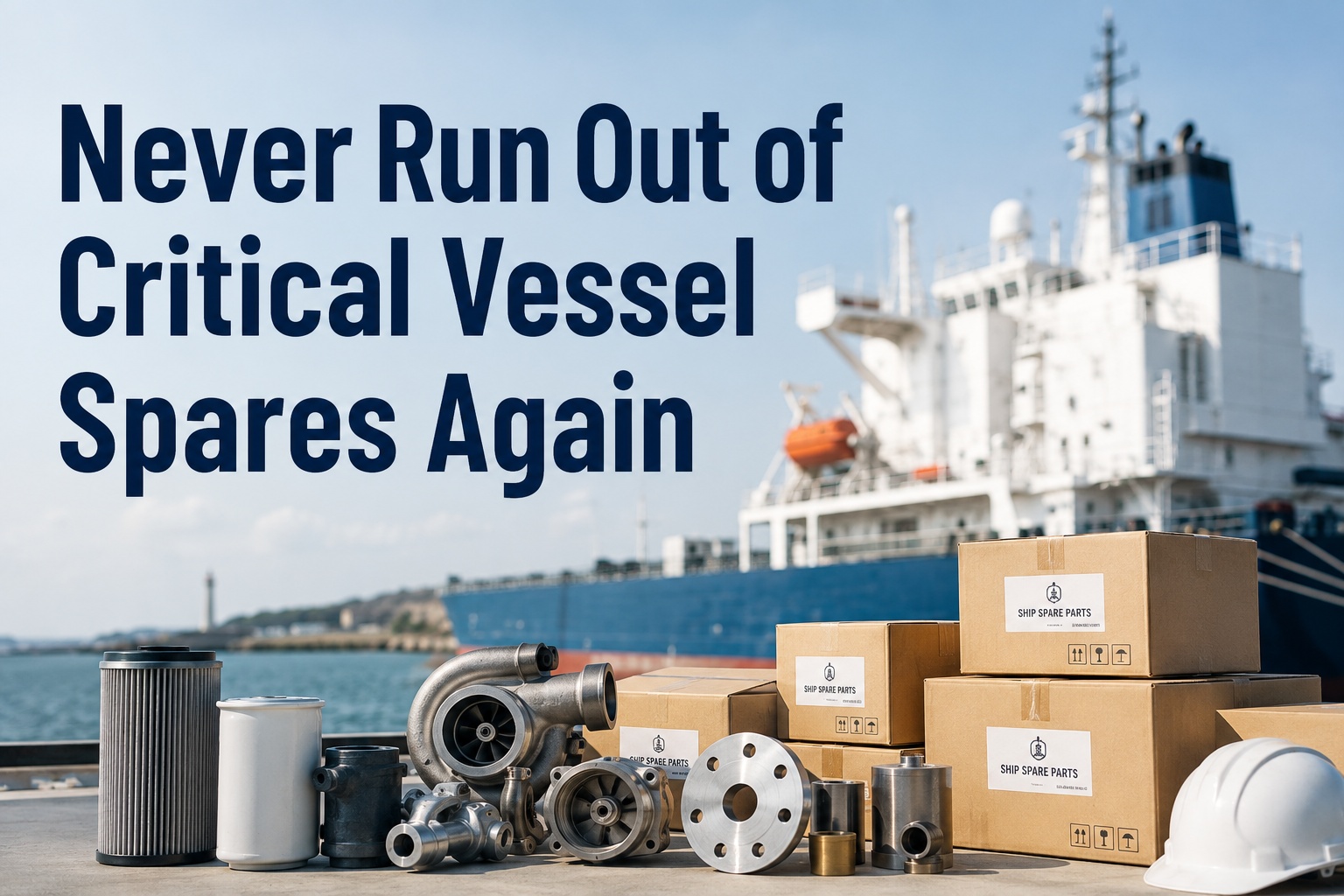
Never Run Out of a Critical Spare Again
When stock on any vessel falls below its minimum, automated reordering raises the order before the part runs out — turning a preventable stockout into a planned, low-cost resupply.
5×the price of an emergency air-freighted part
$25k/daylost when a vessel waits on a spare
0manual monitoring once thresholds are set
Book a Demo
The Reorder Point: The Trigger That Beats the Stockout
The whole system rests on one number per part: the reorder point. It is the stock level that, when reached, triggers a replenishment order — set high enough that a new delivery arrives before the existing stock runs out. Get it right and stockouts become structurally impossible; get it wrong, or track it by hand, and they keep happening.
Safety Stock: The Buffer Against the Unexpected
Safety stock is the extra cushion held to absorb the two things you cannot fully predict — a spike in consumption or a delay in delivery. It is what separates a reorder point that works in theory from one that survives a real supply-chain disruption. A practical formula used in maintenance environments captures both risks. See safety-stock settings in a demo.
Critical Spares Need Their Own Tiers
The most common reordering mistake is a blanket policy that treats a cheap consumable the same as a critical spare. Criticality-based reorder tiers — where high-risk parts carry more buffer and tighter triggers — produce far better outcomes than one formula applied across the whole storeroom. A stockout on a washer is an inconvenience; a stockout on a fuel injection valve can stop the ship.
A
Critical spares. Highest safety stock and earliest trigger. The reorder point is set to cover the worst-case lead time, because a stockout here grounds the vessel. Flagged for expedited sourcing if ever breached.
B
Essential parts. Moderate buffer and standard triggers. Needed for smooth operation but not immediately vessel-stopping, so cover is balanced against carrying cost.
C
Consumables. Minimal buffer, light-touch triggers. Cheap and easy to replace, so the goal is simply not to run dry — not to hold weeks of cover that ties up capital.
See it on your fleet
Watch a Reorder Fire Before the Stockout
Marine Inspection monitors stock against criticality-based, lead-time-aware reorder points on every vessel and raises requisitions or POs automatically the moment a part dips below its minimum. Book a 30-minute demo to see automated reordering on equipment like yours, or start a free trial and set your thresholds today.
How Automated Reordering Works, Step by Step
The mechanism is simple once the thresholds are set: the system watches stock continuously and acts the instant a trigger is crossed, with no one having to remember to check. See the flow in a demo.
1
Monitor continuously. Stock is tracked in real time on every vessel as parts are consumed against work orders.
2
Trigger at the point. When a part hits its reorder point, the system fires — no manual monitoring, no missed dip.
3
Raise the order. A requisition or PO is generated automatically for the right quantity, to the approved vendor.
4
Replenish & reset. The part is delivered and received, stock returns above the trigger, and the cycle continues.
One subtlety matters: the reorder point is a trigger, not a target. The correct action when stock hits the point is to order the right replenishment quantity — not to fill the storeroom to the ceiling. Good software orders the economic quantity automatically, so the trigger sets the timing and the order size stays disciplined.
Why Manual Reordering Keeps Failing
Fleets that rely on people remembering to check stock and place orders are fighting human nature and irregular demand at the same time. These are the failure modes automation eliminates.
Latency and lag
Manual spreadsheet tracking introduces delay between a dip and an order — and in that gap is exactly where the stockout happens.
Human error
A missed row, a stale count, a forgotten check. Irregular spare-parts demand is hard to track by hand and easy to get wrong.
Thresholds that drift
Equipment ages, demand grows, suppliers change. Reorder points set once and never revisited drift out of line with reality.
No fleet-wide view
Without one system, a dip on one vessel is invisible ashore until it becomes an emergency that someone has to scramble to fix.
Keeping Reorder Points Accurate Over Time
Automated reordering is only as good as the thresholds behind it, and those thresholds are not set-and-forget. Operating conditions change, so the best systems keep reorder points aligned with reality.
Keeping Replenishment Settings Aligned
How Marine Software Automates It — and Why It's Needed
Automated reordering only works if the software watches stock at the source, fires reliably, and copes with the realities of a fleet at sea. Purpose-built marine software does exactly that, where a generic tool or a spreadsheet cannot.
Continuous, automatic monitoring
Stock is watched in real time against each part's reorder point, so a dip triggers an order instantly instead of waiting for someone to notice.
Criticality and lead-time aware
Reorder points are set per part on consumption, lead time, and criticality, so critical spares trigger early and consumables stay light.
Linked to work orders
Parts deduct automatically as jobs consume them, so stock counts are always current and triggers fire on real, accurate levels.
Raises the order for you
A requisition or PO generates automatically to the approved vendor at the right quantity, ready for approval — removing the manual step entirely.
Works offline at sea
Consumption is captured offline on the vessel and syncs to shore, so the reorder logic stays accurate even for ships out of range.
Fleet-wide alerts
A dip on any vessel surfaces on one dashboard, so the shore team sees and acts on every trigger across the fleet from a single view.
The deeper reason it is needed is that spare-parts demand is irregular and a fleet has thousands of parts across many vessels — a scale and unpredictability that defeats manual tracking. Automation continuously monitors levels, lead times, and consumption and generates reorder requests before stock reaches critically low levels, which both prevents stockouts and lets a fleet hold less safety stock, lowering carrying cost. That is the dual win manual reordering can never deliver. Book a demo to see it on your fleet.
Frequently Asked Questions
What is automated parts reordering?
It is software that monitors spare-parts stock in real time and automatically raises a requisition or purchase order the moment a part falls below its reorder point — before it runs out. It replaces manual spreadsheet checks, which introduce latency and human error, with continuous monitoring and instant, rule-based ordering across the fleet.
What is a reorder point and how is it calculated?
The reorder point is the stock level that triggers a replenishment order. It is calculated as average daily usage multiplied by the lead time, plus safety stock. Set correctly, it ensures a new delivery arrives before existing stock is exhausted, making stockouts structurally unlikely rather than a recurring surprise.
What is safety stock?
Safety stock is the extra buffer held to absorb demand spikes and shipping delays. A practical maintenance formula is maximum usage times maximum lead time, minus average usage times average lead time — sizing the buffer to the gap between worst case and average so a part can ride out either without carrying excess stock the rest of the time.
Why should critical spares have different reorder rules?
Because a blanket policy treats a cheap consumable the same as a vessel-stopping spare. Criticality-based tiers give high-risk parts more buffer and earlier triggers, while consumables get light-touch handling. This focuses protection and capital where a stockout actually hurts — on the critical spares that can ground a ship.
Does automation mean over-ordering?
No — done correctly it does the opposite. The reorder point is a trigger, not a target: the system orders the right replenishment quantity, not enough to fill the storeroom to the ceiling. By monitoring continuously and ordering precisely, automation actually lets a fleet hold less safety stock, lowering carrying cost while still preventing stockouts.
How often should reorder points be reviewed?
A quarterly review is a reasonable baseline for active maintenance inventories. Equipment ages, demand grows, suppliers change, and parts get substituted, so points set once and never revisited drift out of alignment. The best systems also flag demand spikes and supplier slippage automatically so settings can be adjusted before a drift causes a stockout.
Built for marine spares
Turn Stockouts Into a Problem You Used to Have
Real-time monitoring, criticality-based reorder points, lead-time-aware triggers, automatic requisitions, and fleet-wide alerts — all offline-capable and linked to your maintenance and inventory. Marine Inspection makes the critical-spare stockout a thing of the past. Book a tailored walkthrough or start a free trial today.