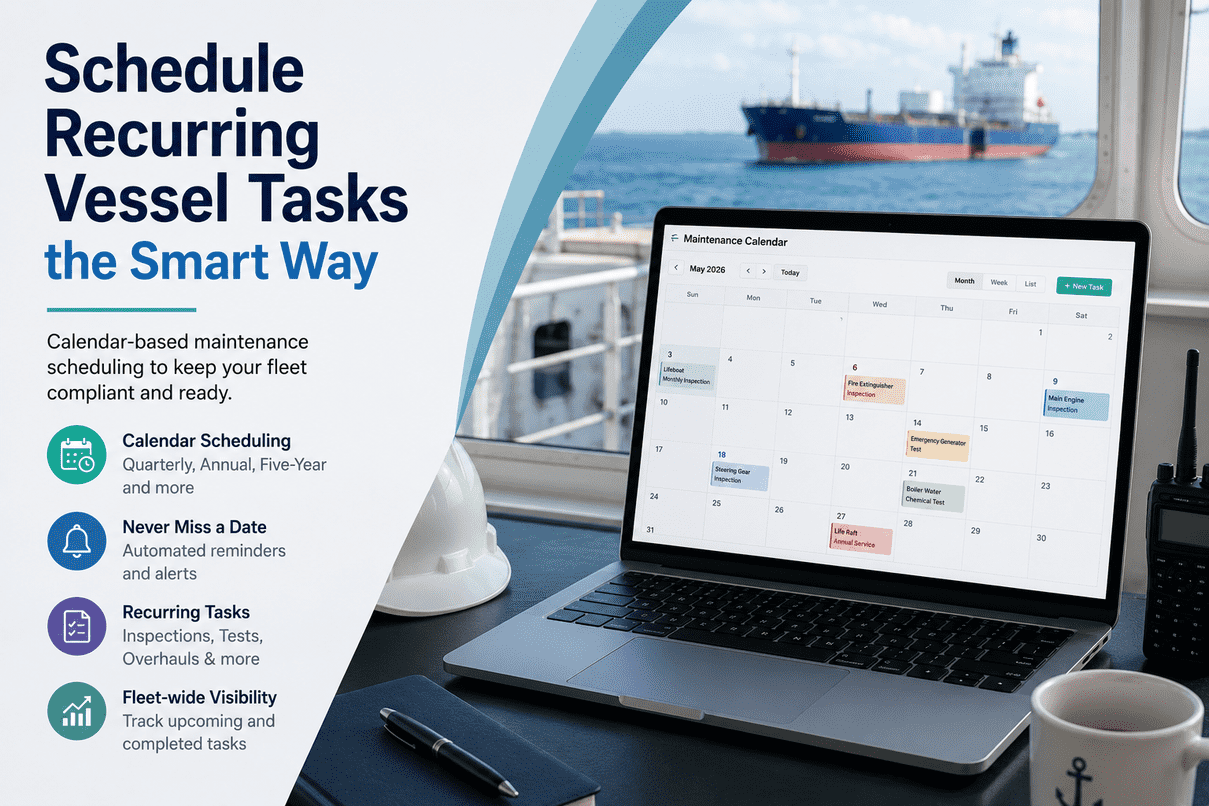
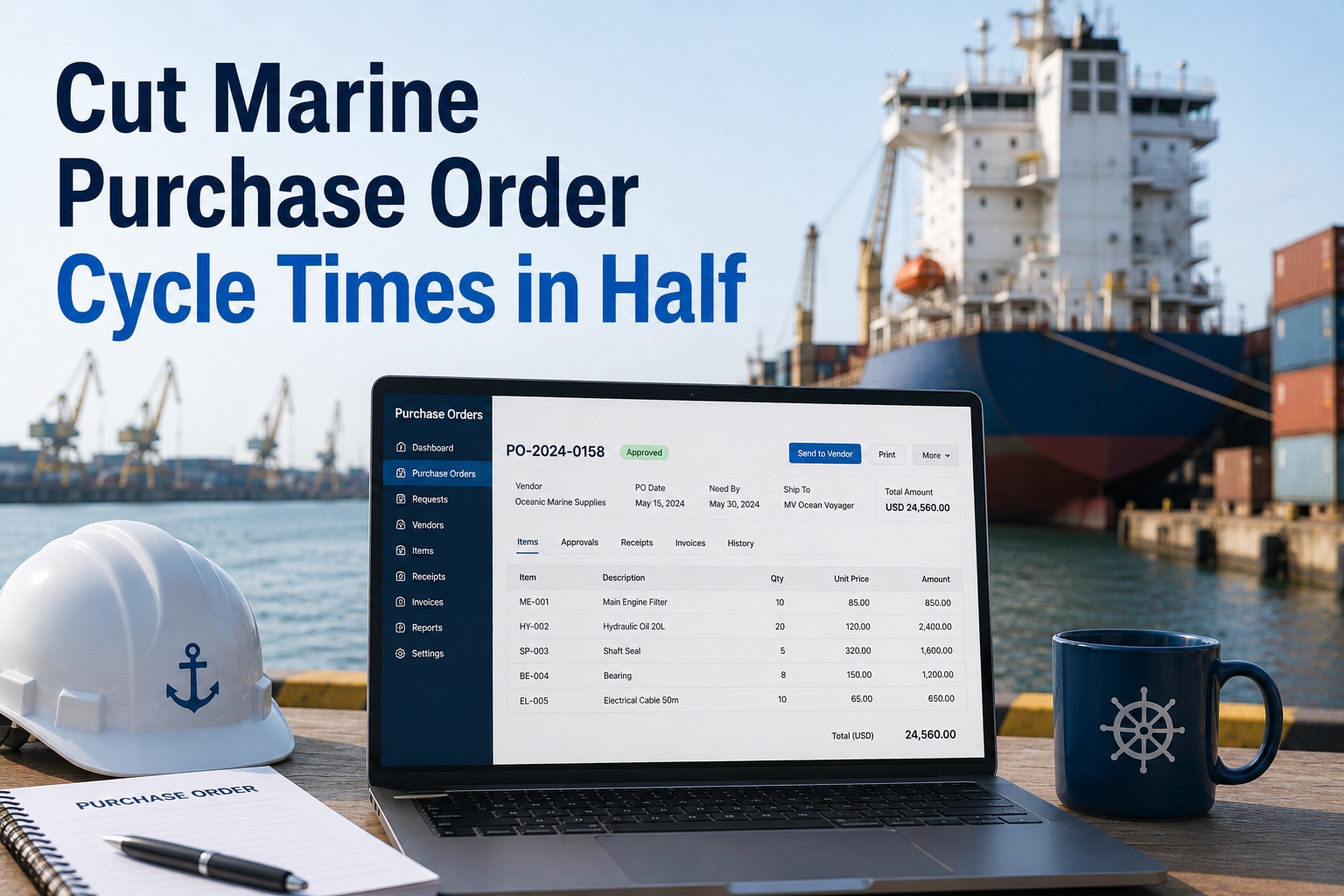
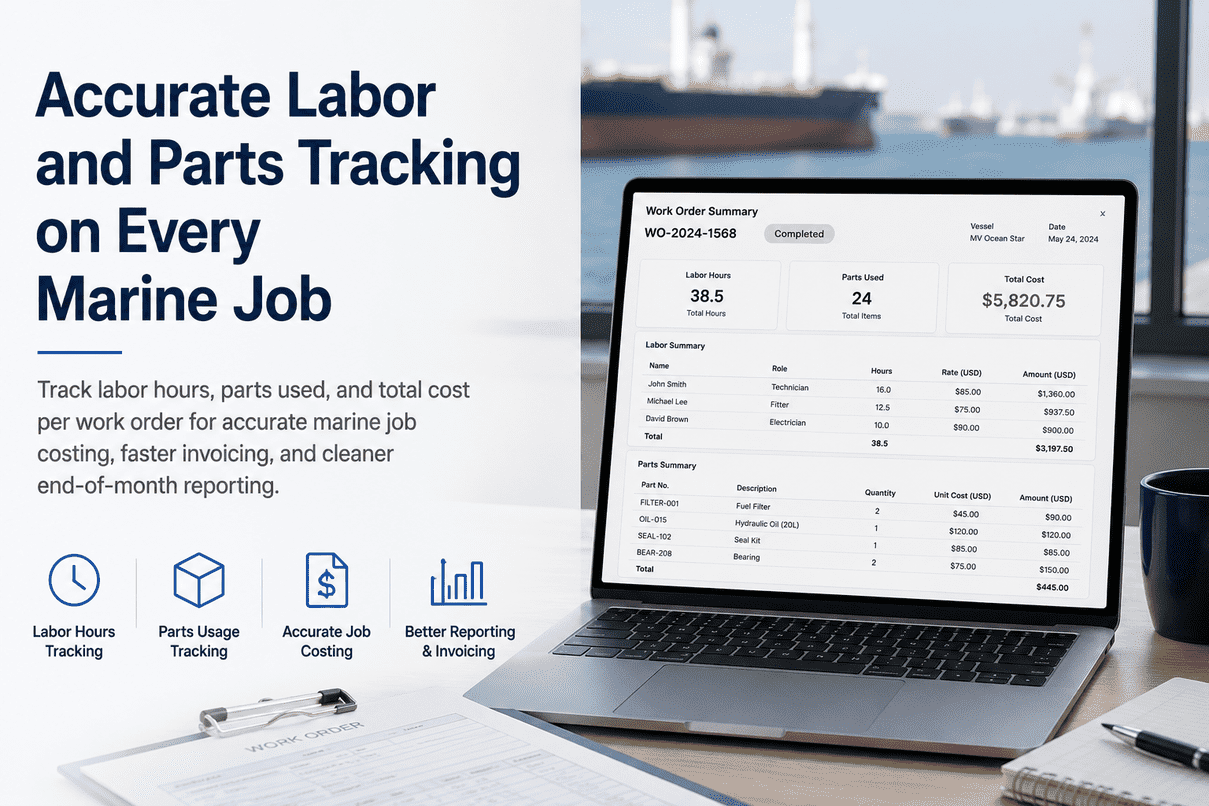
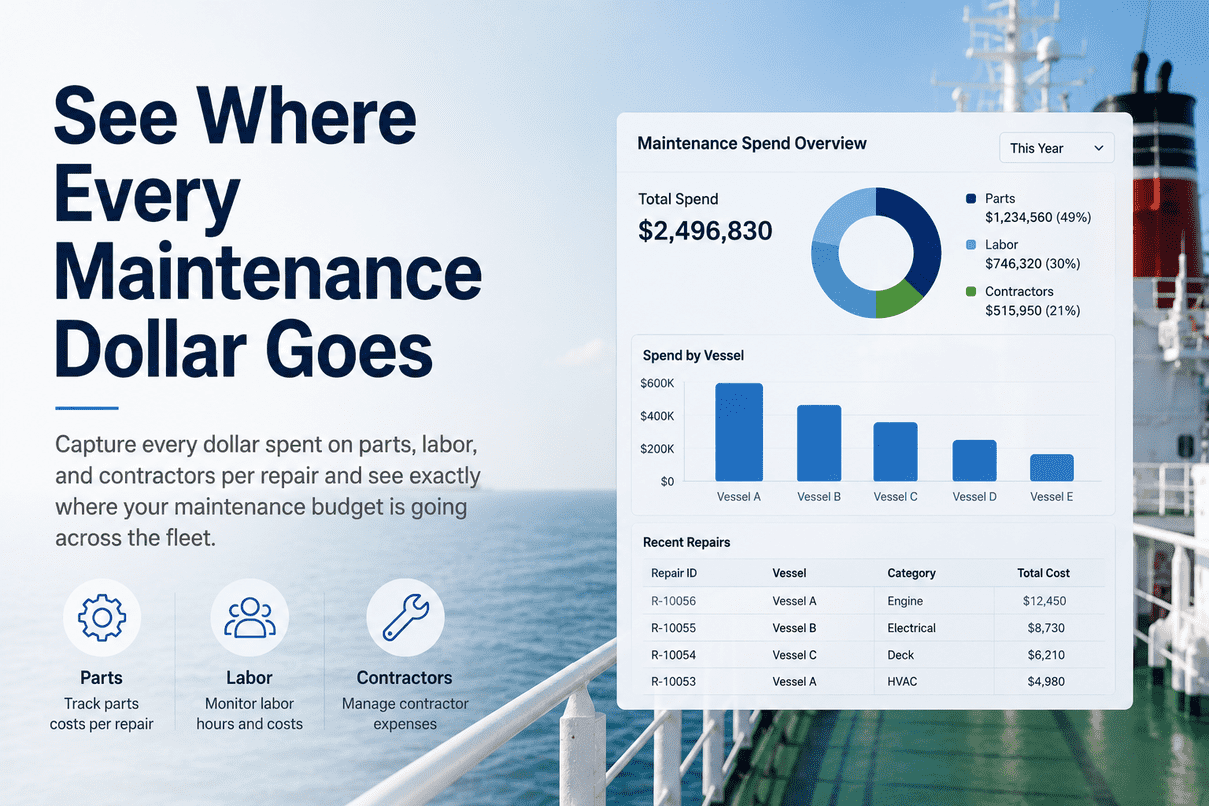
Some shipboard tasks do not care how many hours an engine has run — they come due on the calendar, and they come due whether you are ready or not. Statutory drills, safety-equipment servicing, certificate endorsements, and classification surveys all run on fixed time intervals: weekly, monthly, quarterly, annual, two-and-a-half-yearly, and the five-year class cycle. Each statutory certificate sits on a single anniversary date and must be surveyed inside a tight window — typically three months either side — or the vessel risks a condition of class, a deficiency, or worse. Miss the window entirely and class can be suspended, then withdrawn after six months, taking insurance and charter eligibility with it. The difficulty is not knowing the dates exist; it is keeping dozens of them visible across a fleet so the right job surfaces weeks before it is due, not the morning a surveyor arrives. Calendar-based maintenance scheduling solves exactly that: it puts every recurring inspection, test, and overhaul on a date-driven plan that never lets a deadline slip. This guide covers the intervals that matter, how survey windows work, and how to schedule them the smart way. To see a fleet survey calendar in action, book a Marine Inspection demo.
When Hours Don't Apply — Use the Calendar
Statutory & Safety
Drills, life-saving and fire-fighting equipment servicing, and SOLAS checks are mandated by date regardless of usage.
Certificates & Surveys
Annual, intermediate, and renewal surveys hang off a fixed anniversary date on a rolling five-year cycle.
Steady-Use Equipment
Assets used at a stable rate are simplest to service on a predictable calendar set well in advance.
Low-Use Backstop
A calendar limit catches rarely run machinery that would otherwise sit too long between hour-based services.
The Marine Calendar-Interval Ladder
Marine compliance is built on a recurring ladder of time intervals, each carrying its own set of tasks. A calendar-based system holds every rung for every vessel at once and surfaces each job before it is due — something a wall planner or shared spreadsheet cannot do reliably across a fleet.
Weekly
Routine checks. Emergency equipment tests and operational checks logged during watch rounds.
Monthly
Drills & inspections. Abandon-ship and fire drills, life-saving appliance inspections, recorded in the logbook.
Quarterly
Periodic tests. Fire-door local-operation tests on passenger ships and other periodic safety verifications.
Annual
Annual survey. Within three months either side of the certificate anniversary date — the rhythm of the five-year cycle.
2.5-Year
Intermediate & servicing. Intermediate survey and CO2 / gas fire-extinguishing system maintenance coinciding with it.
5-Year
Renewal / special survey. Full re-classification with thickness measurement and major overhaul verification before the cycle expires.
Intervals and scopes vary by ship type, age, and flag, and the applicable convention and class rules always govern — but the structure is consistent, which is exactly why it lends itself to automated date-driven scheduling.
How a Survey Window Works — and Why It Trips Operators Up
The single most misunderstood part of calendar-based marine compliance is the anniversary date and its window. Get the mental model right and the whole schedule becomes predictable.
Window opens
3 months before
Anniversary date
Fixed for the 5-year cycle
Window closes
3 months after
Most statutory certificates carry a single anniversary date that stays fixed across the rolling five-year period. The annual survey can be completed within three months before or after that date — a six-month window — while a renewal survey must be done within the three months before expiry. The intermediate survey falls within three months either side of the second or third anniversary, replacing one annual.
The Cost of a Missed Date
Unlike a slipped engine-hour service, a missed statutory date has hard regulatory consequences that escalate fast. This is why date-driven jobs deserve the most reliable scheduling of all.
1
Condition of class
A surveyor finding an overdue item issues a condition or recommendation; keeping class becomes conditional on the work being done.
2
PSC deficiency & detention
An expired or missing certificate is grounds for a formal deficiency and, in serious cases, detention until it is resolved.
3
Class suspension
When prescribed surveys go overdue, class can be suspended — and an unclassed vessel cannot trade normally.
4
Class withdrawal
Suspension left unresolved leads to withdrawal after six months, taking insurance validity and charter eligibility with it.
Never Let a Survey Window Close Unseen
Marine Inspection tracks every survey date, certificate expiry, and recurring task across your fleet, with automated alerts that open the moment a window does. Book a 30-minute demo and we will show your fleet's calendar with live countdowns to every deadline.
Fixed vs Floating Calendar Schedules
Within calendar-based scheduling there are two flavours, and a smart plan uses each where it fits. Statutory items are almost always fixed; operational tasks often work better floating.
Fixed Calendar
Fires on a set date regardless of when the last job was done
Predictable, plannable, and audit-friendly
Correct for surveys, certificates, and statutory drills
The anniversary date never drifts
Floating Calendar
Next due date counts from when the last job was completed
A monthly task done late simply resets the clock forward
Avoids unrealistic catch-up when work slips
Suited to routine operational inspections
Scheduling Recurring Tasks the Smart Way
A calendar plan only works if the software does the watching for you. These are the capabilities that turn a list of dates into a system that never misses one.
Lead-Time Alerts
Jobs surface weeks ahead so spares, technicians, and a suitable port can be arranged before the window opens — not under deadline pressure.
Window Visibility
Each survey shows its open and close dates with a live countdown, so the whole fleet's deadlines are visible at a glance.
Auto-Generated Jobs
Each interval spawns a pre-filled work order with the task scope and required evidence, removing manual re-entry every cycle.
Conflict Balancing
A fleet-wide calendar view surfaces clashes early so several major jobs do not collide in one port stay or dry-dock window.
Evidence Capture
Drill logs, test records, and photos attach to each completed task, building the compliance trail surveyors and PSC expect.
Hybrid with Hours
Calendar limits run alongside running-hour triggers — whichever comes first — so usage-driven and date-driven jobs live in one plan.
Frequently Asked Questions
What is calendar-based maintenance on a ship?
It is maintenance scheduled on fixed time intervals — weekly, monthly, quarterly, annual, or five-yearly — regardless of equipment usage. It suits statutory drills, safety-equipment servicing, certificate endorsements, and classification surveys, all of which the regulations tie to dates rather than running hours.
What is an anniversary date and a survey window?
The anniversary date is the fixed day and month each year corresponding to a certificate's expiry, and it stays constant across the rolling five-year cycle. The survey window is the period in which the survey may be completed — typically three months before or after the anniversary date, giving a six-month span for annual surveys.
What are the main marine survey intervals?
Most certificates run on a five-year cycle: an annual survey each year within the anniversary window, an intermediate survey around the midpoint (three months either side of the second or third anniversary), and a renewal or special survey before the certificate expires. Passenger Ship Safety Certificates are a notable exception, valid for one year.
What happens if a vessel misses a survey date?
Consequences escalate: an overdue item can become a condition of class, an expired certificate is grounds for a PSC deficiency and possible detention, and prescribed surveys left overdue can lead to class suspension and, after roughly six months, withdrawal — which also jeopardises insurance and charter eligibility.
When should I use calendar-based versus hour-based scheduling?
Use calendar-based for statutory, safety, and survey items the rules fix to dates, and for steady-use equipment. Use running-hour triggers for machinery whose wear tracks usage, such as main engines. The strongest programs combine both on a whichever-comes-first basis so nothing falls through either gap.
What is the difference between a fixed and floating calendar schedule?
A fixed schedule fires on a set date no matter when the last job was done, which is correct for surveys and statutory drills tied to an anniversary. A floating schedule calculates the next due date from when the previous task was actually completed, which suits routine operational inspections and avoids unrealistic catch-up when work slips.
Put Every Recurring Date on Auto-Pilot
Quarterly tests, annual surveys, five-year renewals, certificate expiries, and statutory drills — Marine Inspection schedules them all with lead-time alerts and live window countdowns across your whole fleet. Book a tailored walkthrough or start a free trial and load your calendar today.