On a commercial vessel, bunkers are bought in six-figure quantities, consumed continuously across multiple engines and boilers, and regulated to the litre by international law — yet on many ships the entire fuel record still lives in a paper logbook and a drawer of bunker delivery notes. That gap between the value of the fuel and the rigour of the tracking is where money and compliance leak. A digital bunker tracking system closes it by logging every delivery, consumption rate, and tank level in one place, with automated reconciliation comparing what was supplied, received, and burned, and BDN management that keeps the MARPOL Annex VI paperwork audit-ready. The payoff is threefold: tighter cost control because short-delivery and unexplained burn are caught instead of absorbed, current remaining-on-board figures, and effortless compliance because the records Port State Control asks for are already in order. This guide covers what a bunker tracking system logs, how the bunkering workflow is captured, how BDN management works under Annex VI, and why digital reconciliation beats a paper logbook. To see digital bunker tracking on a live vessel, book a Marine Inspection demo.
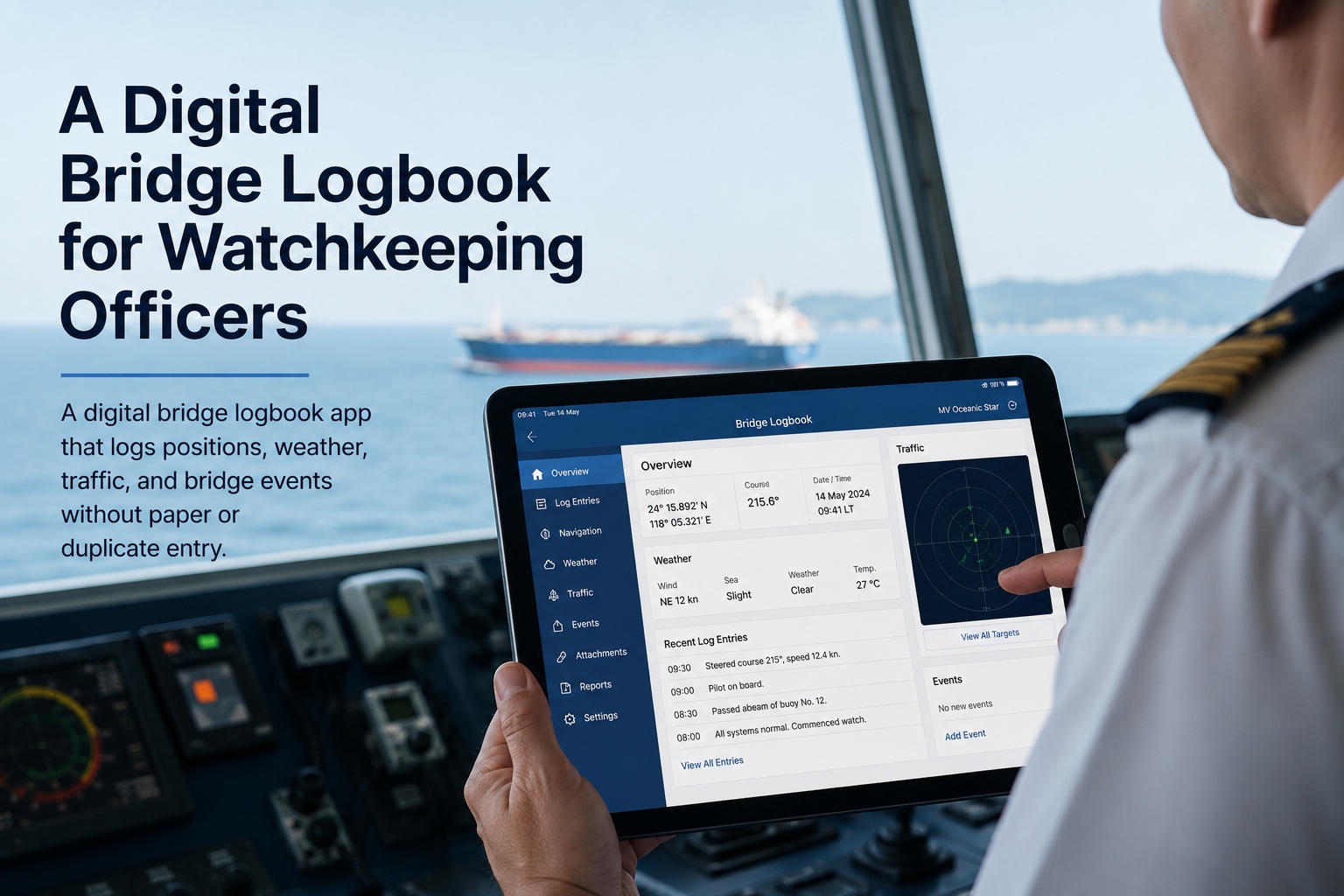
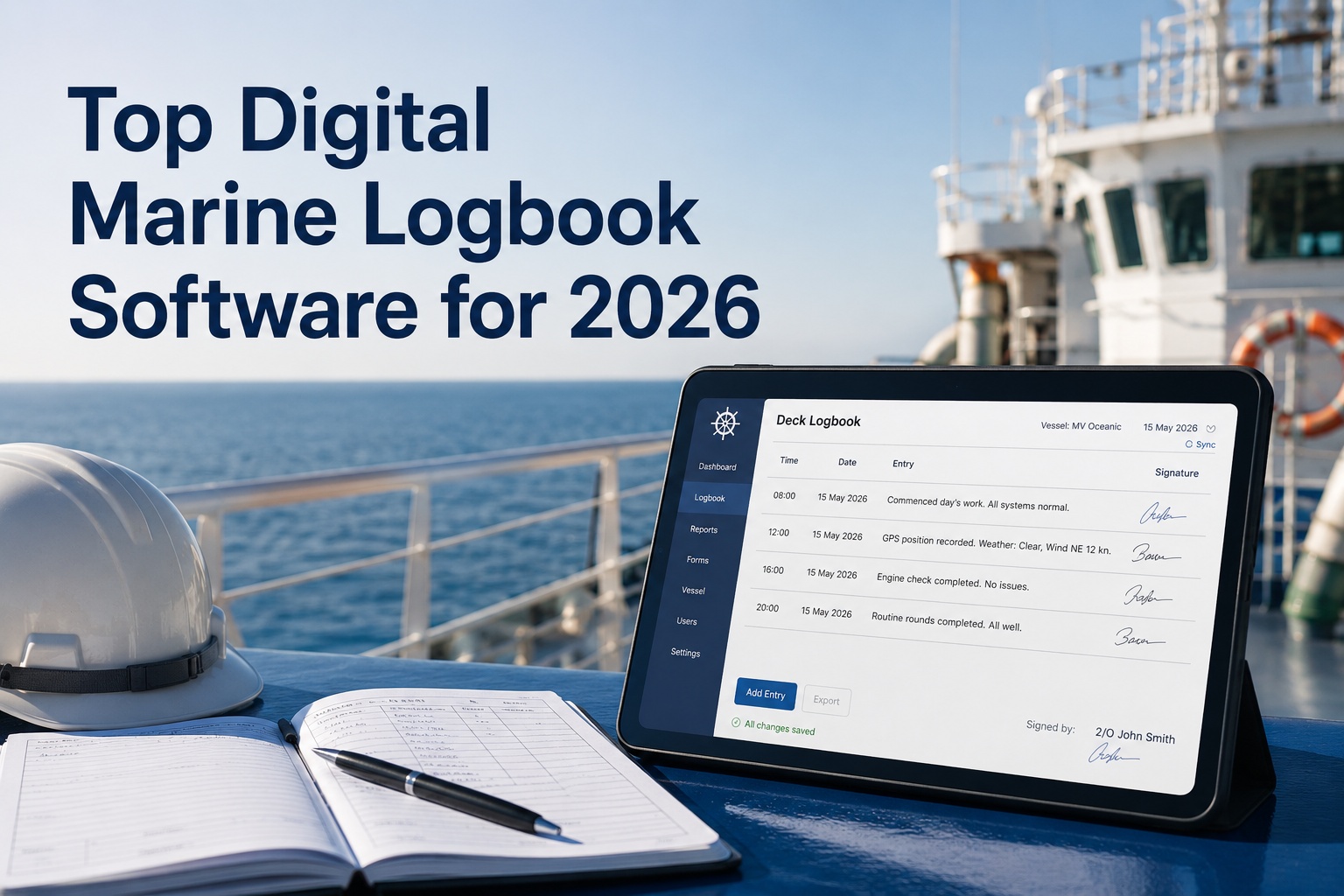
From paper logbook to live data
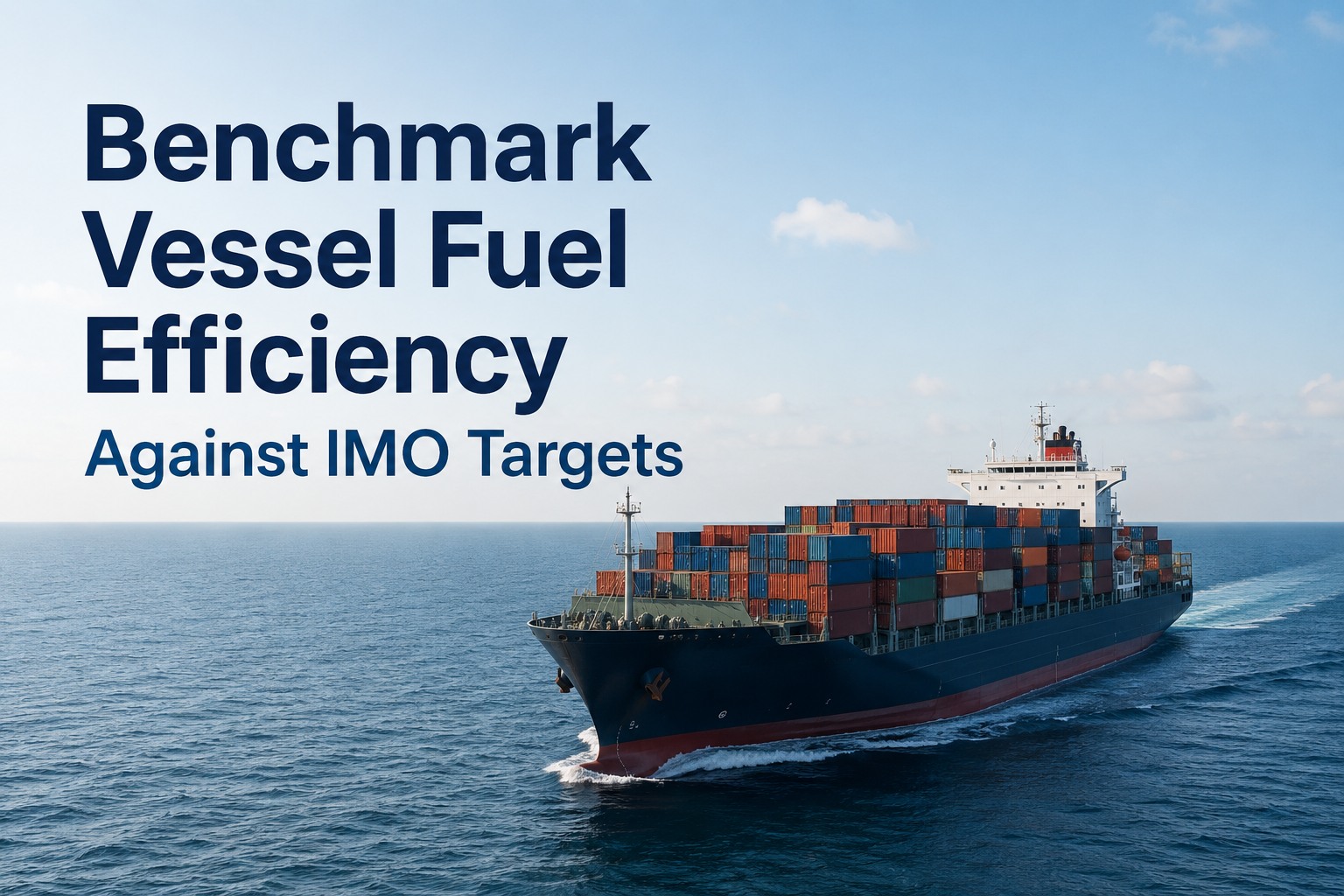
Digital Bunker Tracking for Modern Vessels
Log every delivery, consumption rate, and tank level with automated reconciliation and BDN management — so fuel cost is controlled, ROB is always current, and Annex VI compliance is effortless.
3 yrsBDNs retained onboard for Port State Control
Annex VIMARPOL bunker documentation built in
3-waysupplied, received, burned reconciliation
Book a Demo
What a Bunker Tracking System Logs
The foundation of fuel control is a complete, structured record of three things, captured continuously rather than reconstructed at month-end. Each feeds the reconciliation and compliance that everything else depends on. See the bunker log in a demo.
Every bunker delivery
Date, port, supplier, grade, quantity, density, and sulphur content — each delivery recorded against the vessel with its BDN attached.
Consumption rate
Fuel burned per consumer — main engine, auxiliaries, generators, boilers — and per voyage, so use is accounted accurately, not estimated.
Tank levels & ROB
Remaining-on-board by tank and grade, reconciled against deliveries and consumption for a live, trustworthy fuel figure.
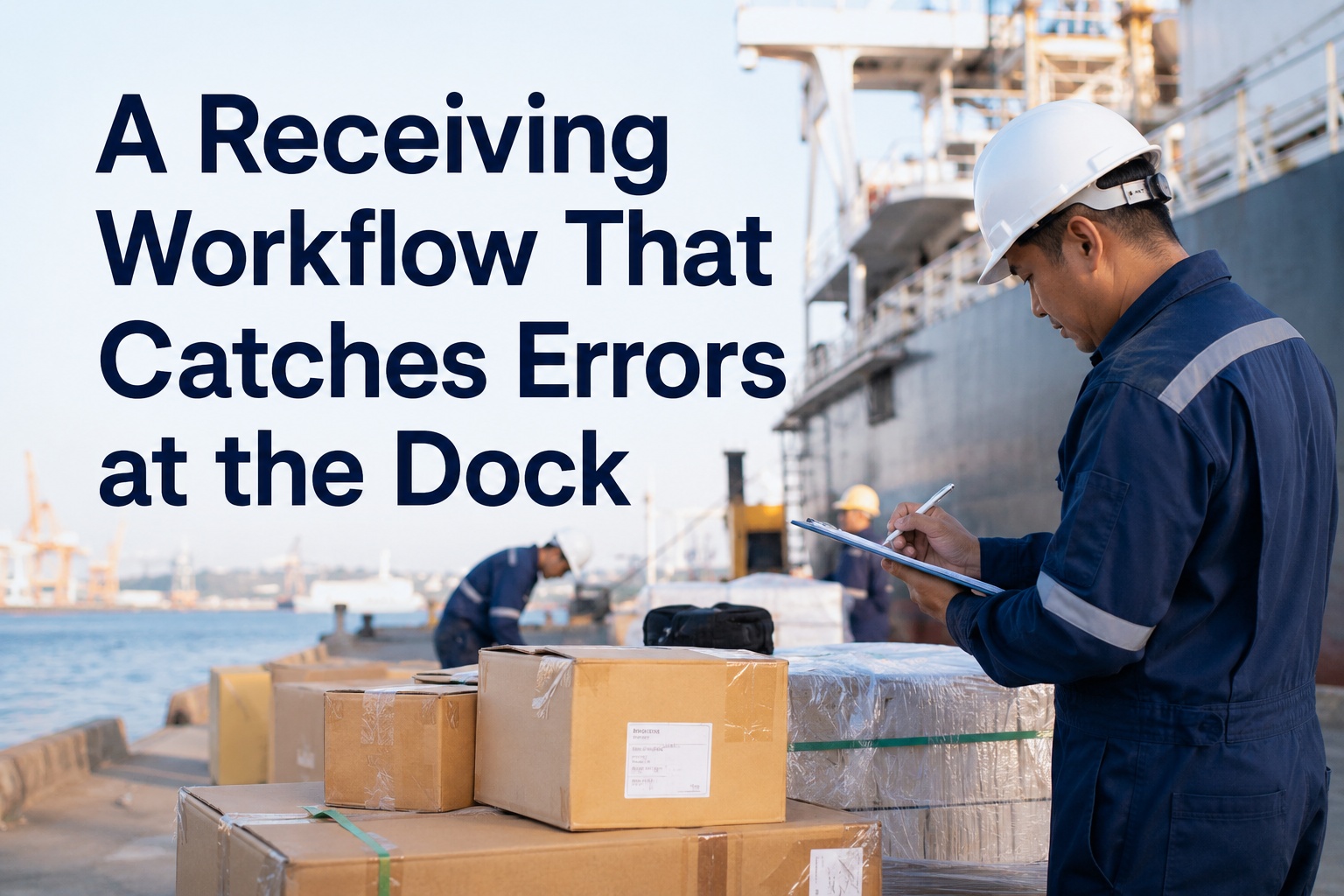
The Bunkering Workflow, Captured Step by Step
Bunkering is where the largest single fuel discrepancies arise, so the system has to capture it as a disciplined sequence — not a signature on a barge operator's note. Each step exists to verify quantity and quality before the delivery is accepted.
1
Pre-bunker soundings
Record tank soundings and vessel draft before delivery, establishing the baseline the received quantity is measured against.
2
Monitor the transfer
Compare supplied and received figures during the operation, watching for the variances that signal the cappuccino effect or short-delivery.
3
Capture the BDN & meter ticket
Log the bunker delivery note and mass flow meter ticket, using the BDN density for final mass calculations.
4
Post-bunker soundings
Sound tanks again — and re-check after half a day — to confirm the received quantity matches the displacement and the BDN.
5
Letter of Protest if needed
If figures are unsatisfactory, issue a Letter of Protest stating the reason and log it in the engine record before accepting.
6
Update ROB
Confirm the accepted quantity and update remaining-on-board by grade and tank, closing the bunkering record.
BDN Management Under MARPOL Annex VI
The bunker delivery note is not just a receipt — it is a regulated compliance document, and managing it properly is a core function of any bunker tracking system. MARPOL Annex VI dictates what a BDN must contain and how long it must be kept, and Port State Control has the authority to inspect it. See BDN management in a demo.
BDN Requirements and How Software Handles Them
A paper BDN in a drawer satisfies the letter of the rule until the moment a surveyor asks for one from eighteen months ago and it cannot be found. Digital BDN management means every note — with its sulphur content, quantity, supplier declaration, and sample reference — is retained for the full three years and produced instantly on inspection.
See it on your fleet
Replace the Paper Logbook With Live Bunker Data
Marine Inspection logs every bunker delivery with its BDN, captures consumption per consumer, tracks tank-level ROB, and reconciles supplied against received and burned fuel automatically — all retained for Annex VI compliance. Book a 30-minute demo to see bunker tracking on a vessel like yours, or start a free trial and digitise your bunker log today.
Automated Reconciliation: Three Numbers That Must Agree
The heart of bunker tracking is reconciliation — comparing fuel supplied, fuel received, and fuel burned, three figures that should always tie out. When they do not, the gap is a signal: a short-delivery, a measurement error, or a loss that needs explaining. Automated reconciliation surfaces that gap immediately instead of letting it hide in a manual logbook for weeks.
Supplied
What the BDN says the barge delivered
vs
Received
What soundings and the meter confirm aboard
vs
Burned
What consumption monitoring records as used
Recording the supplied-versus-received gap at the point of delivery makes short-delivery visible at the barge rather than days later, while the received-versus-burned comparison over a voyage exposes leakage or unexplained consumption. Both are invisible on paper and obvious in a system that reconciles automatically — which is the whole point of digitising the bunker log.
How Marine Software Runs Bunker Tracking — and Why It's Needed
Digitising the bunker log only works if the system captures data at the point of bunkering, reconciles it reliably, and copes with the realities of a ship. Purpose-built marine software does exactly that, where a generic tool or a paper book cannot.
Capture at the bunkering
Soundings, BDN, meter ticket, and protest are logged on a device during the operation, so the record reflects what happened at the barge.
Automatic reconciliation
Supplied, received, and burned figures are compared automatically, surfacing discrepancies the instant they appear rather than weeks later.
Per-consumer consumption
Fuel use is split across main engine, auxiliaries, generators, and boilers, giving accurate accounting and a basis for efficiency analysis.
BDN retention & retrieval
Every BDN is held digitally for the required three years and produced instantly for Port State Control, with sulphur and sample data attached.
Works offline at sea
Bunkering and consumption are captured offline and synced ship-to-shore, so the record stays accurate even with no connectivity at the berth.
Fleet-wide visibility
Shore management sees every vessel's bunker data and ROB on one dashboard, turning isolated logbooks into a fleet fuel picture.
The deeper reason it is needed is that bunkering happens fast, at the barge, often with no connectivity and a rotating crew — the exact conditions under which a paper record loses the detail that protects against short-delivery and compliance findings. Software that captures the operation at the source, reconciles automatically, and retains the BDN for the full statutory period keeps both the money and the paperwork under control. Book a demo to see it on your fleet.
Frequently Asked Questions
What is bunker fuel tracking software?
It is software that logs every bunker delivery, consumption rate, and tank level on a vessel, with automated reconciliation comparing fuel supplied, received, and burned, plus management of the bunker delivery notes required under MARPOL Annex VI. It replaces the paper logbook with live, auditable fuel data that controls cost and keeps compliance in order.
What is a Bunker Delivery Note and why does it matter?
The BDN is the official receipt for a bunker delivery, required under MARPOL Annex VI to record quantity delivered, sulphur content, and a supplier conformity declaration. It must be kept onboard for three years, and Port State Control can inspect it to verify fuel compliance. Proper BDN management — capturing and retaining every note digitally — is a core bunker-tracking function.
How does automated reconciliation work?
It compares three figures that should agree: fuel supplied per the BDN, fuel received per tank soundings and the meter, and fuel burned per consumption monitoring. The supplied-versus-received gap catches short-delivery at the barge, and the received-versus-burned gap over a voyage exposes leakage or unexplained use — discrepancies that stay hidden in a paper logbook.
How does software help catch short-delivery?
By comparing supplied and received figures during the bunkering operation and prompting action before signing. Pre- and post-bunker soundings, mass flow meter readings, and BDN density are reconciled so the cappuccino effect and temperature inflation are flagged at the barge — when a Letter of Protest can still be issued — rather than discovered days later.
Does bunker tracking support emissions reporting?
Yes. Because consumption is logged accurately per consumer and voyage, the data converts directly into the fuel-use and emissions figures required by EU MRV and the IMO Data Collection System, and supports EU ETS and FuelEU Maritime obligations. Accurate bunker tracking is the foundation that makes compliant emissions reporting straightforward.
Can bunker data be captured without internet at the berth?
With purpose-built marine software, yes. Soundings, the BDN, the meter ticket, and any Letter of Protest are captured offline during bunkering and synced to shore when connectivity returns. This offline, source-level capture is exactly why digital bunker tracking stays accurate where a connectivity-dependent tool would fail at the barge.
Built for marine bunkering
Know Exactly What You Bought, Hold, and Burned
Delivery logging with BDN capture, pre- and post-bunker soundings, per-consumer consumption, tank-level ROB, automatic supplied-received-burned reconciliation, and three-year Annex VI retention — offline-capable and fleet-wide. Marine Inspection turns the bunker logbook into live, defensible fuel data. Book a tailored walkthrough or start a free trial today.